Molly O'Mara - Molly O Art
.png)
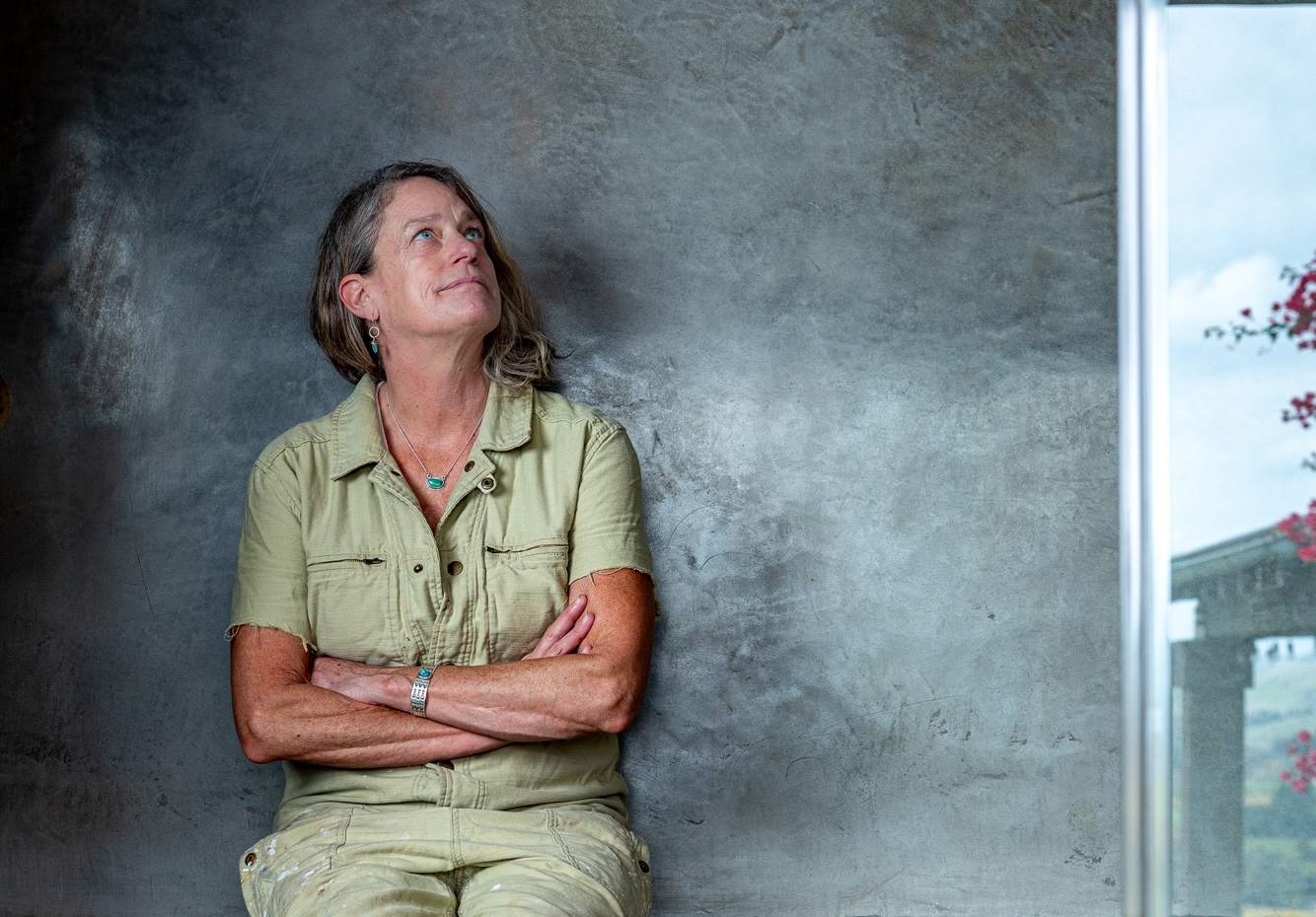
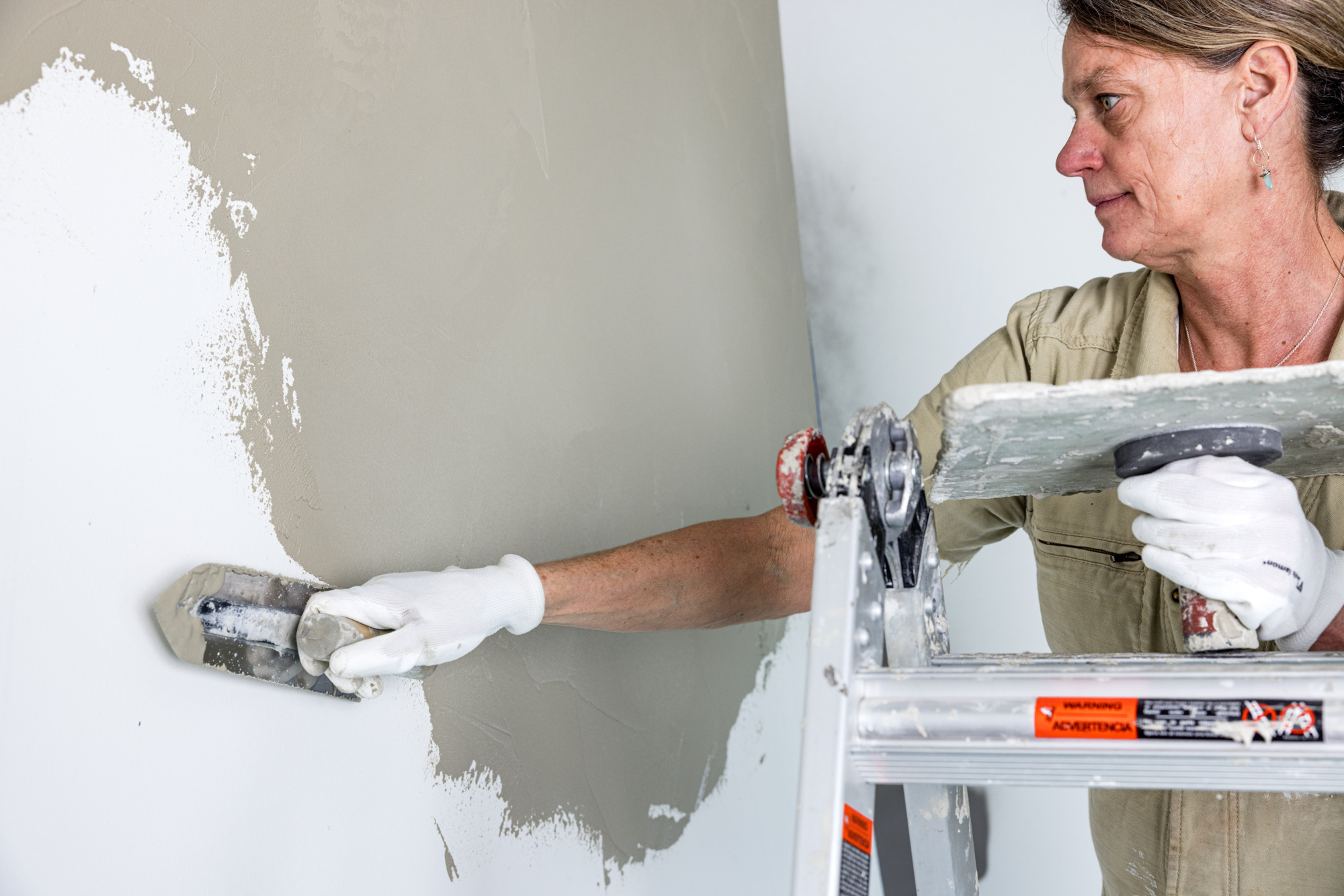
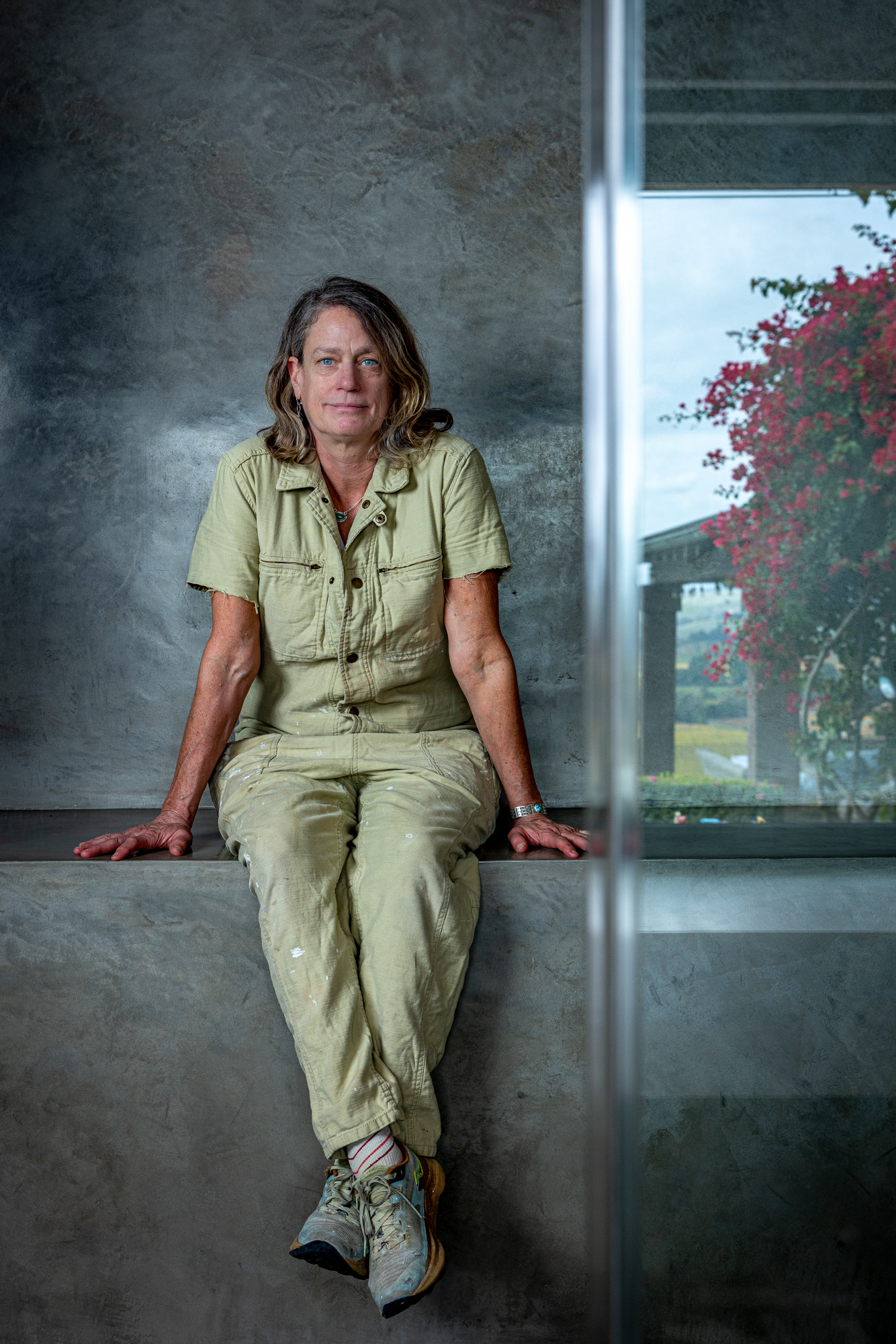
Molly O’Mara’s relationship with plaster is long and storied. It developed over decades of professional trade work, shaped by close attention to materials and surfaces. Since starting her business in 2003, work in the trades has been the backbone of her livelihood. Her work is grounded in contracts, collaboration with builders and designers, and the rhythm of job sites, showcasing her unique skills.
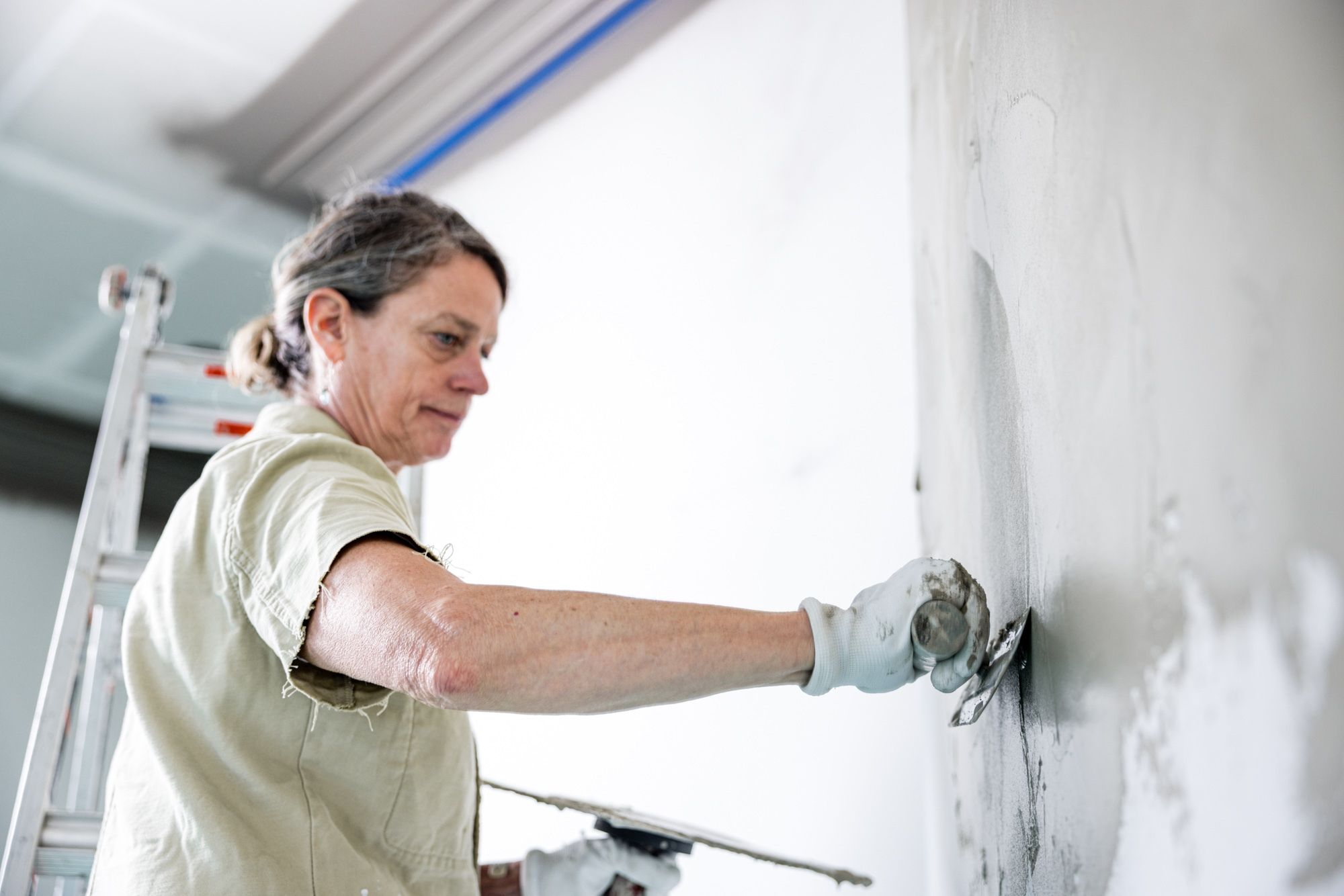
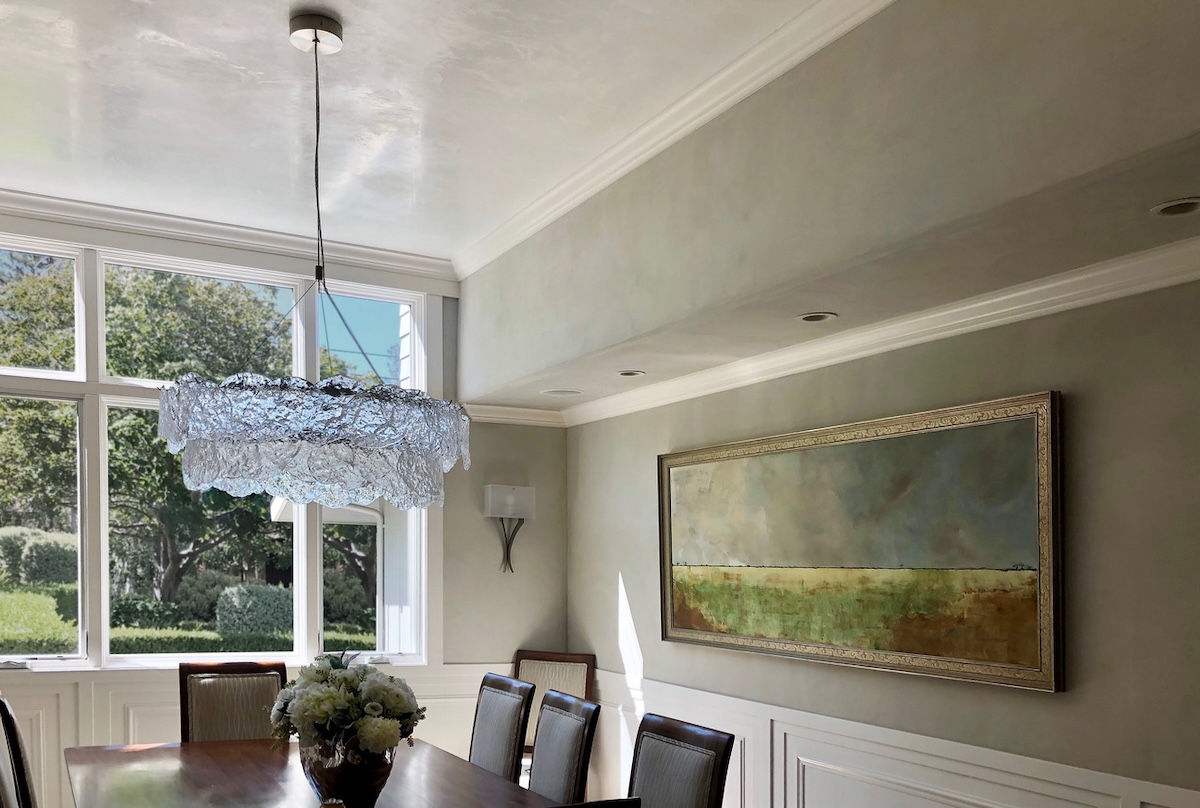
Based in the Tahoe area, Molly’s work today spans plaster application, faux finishes, and fine art, often across various locations and state lines. While recent years have brought plaster to the forefront of her workload, her foundation has always been rooted in the trades. Creativity has always been central to her life, as has her sensitivity to colors and surfaces.
She formally began her business in 2003, working primarily in faux painting and decorative finishes. That early work demanded patience and precision; matching color, reading light, and understanding how surfaces behave over time. It was an experience-based education that quietly prepared her to approach new materials and larger-scale applications with confidence.
Before plaster became more central to her work, Molly was consciously moving toward it. After starting her business, she attended Faux Masters School in Southern California, where she was first introduced to acrylic plasters. That early exposure sparked an immediate belief in the potential to offer plaster for large-scale application, and by 2007, she enrolled in a seven-day intensive Venetian plaster and tadelakt course through a European-based company. As she continued to balance her existing trade work, she invested in furthering her skill set through education and experience.
At the time, access to education looked very different. Before centralized resources like The Plaster Portal existed, learning was piecemeal and largely self-directed. Education came through travel, short intensives, jobsite experimentation, and years of repetition. It would take time and a great deal of hands-on experience before Molly felt ready to bring those techniques to large-scale projects fully, but she was carefully laying the foundation.
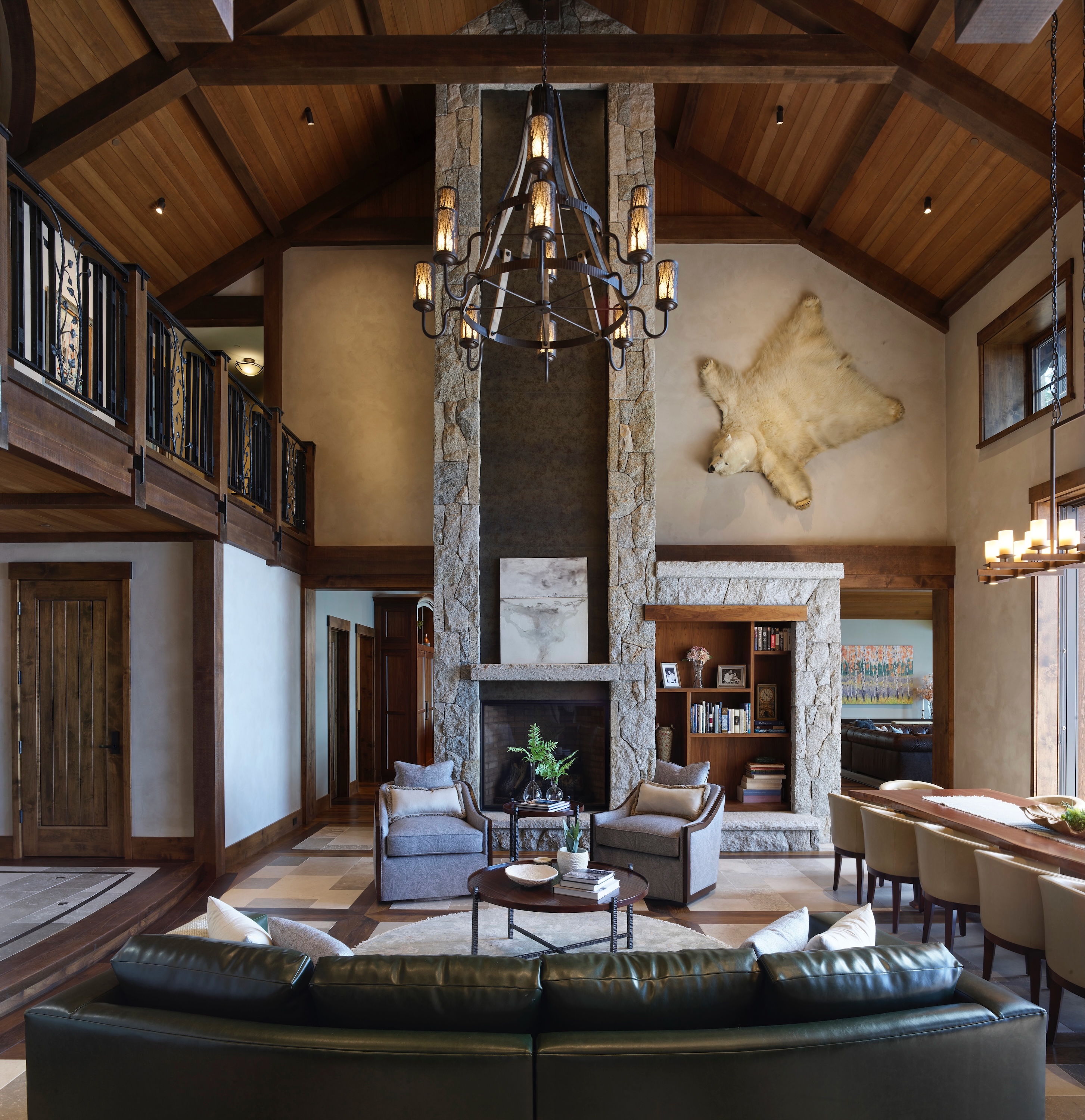
Over the past several years, that vision has become more of a reality as it aligned with shifting market demand. As projects in her area have begun incorporating more plaster finishes, the increased demand has translated into a reliable source of business.
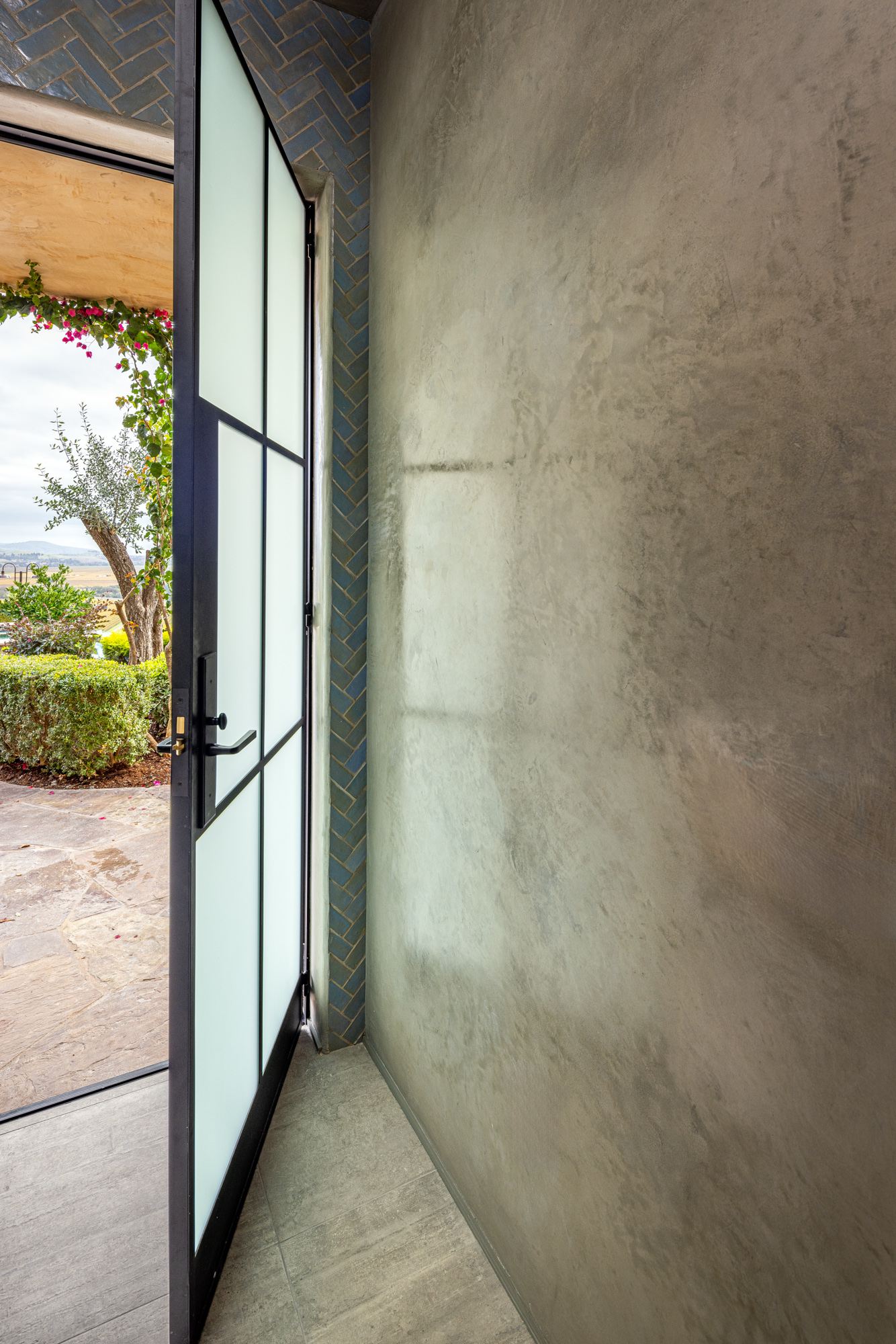
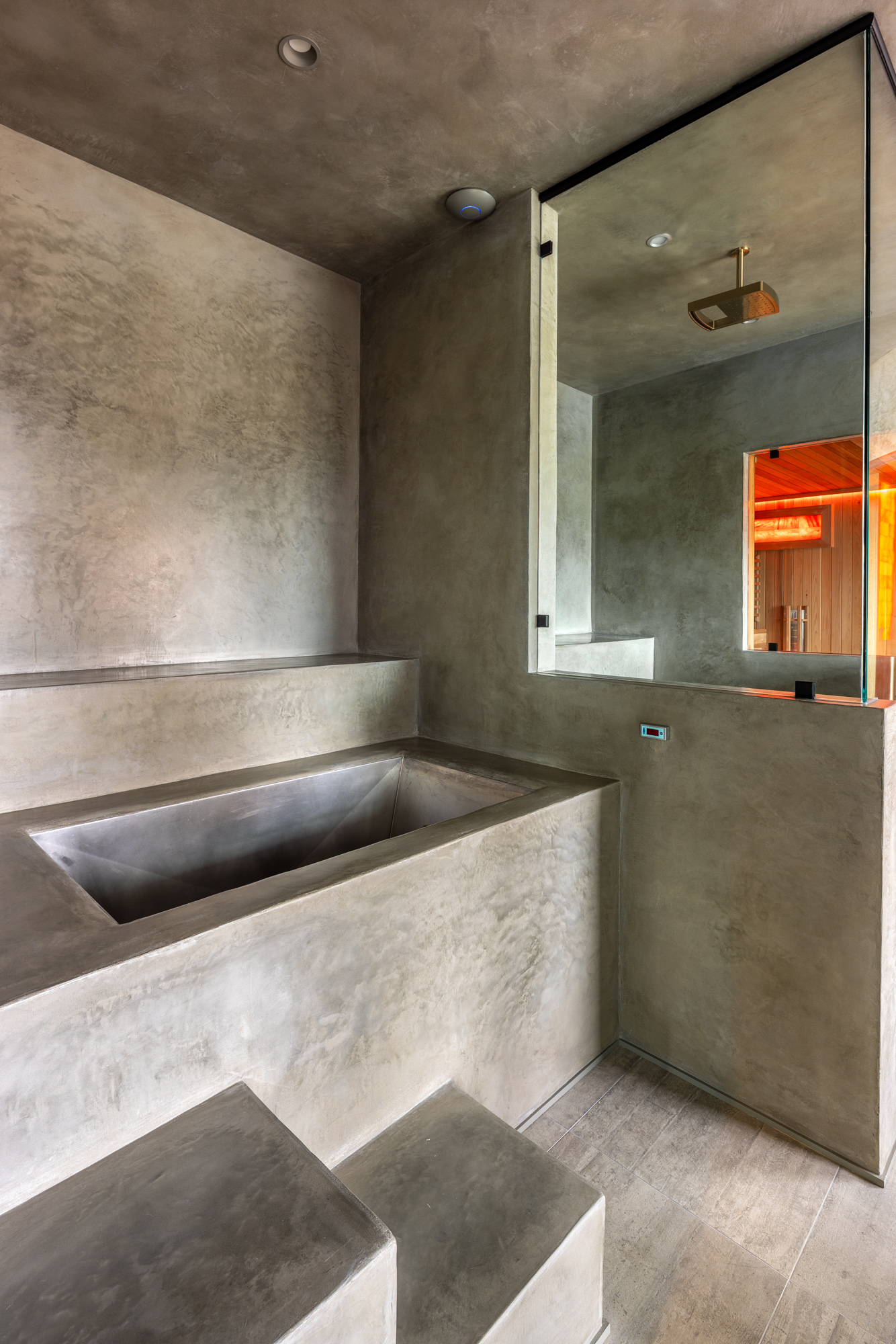
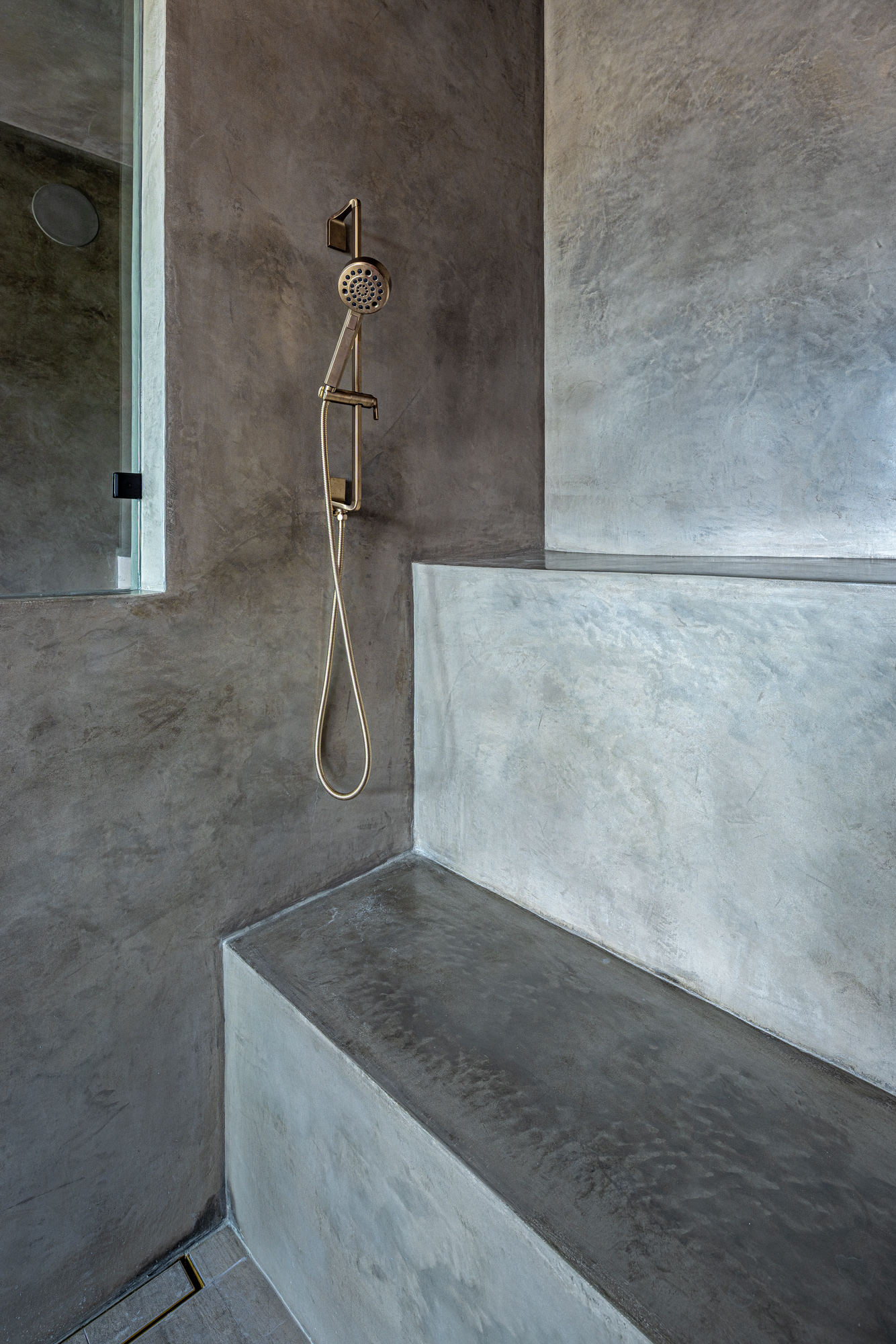
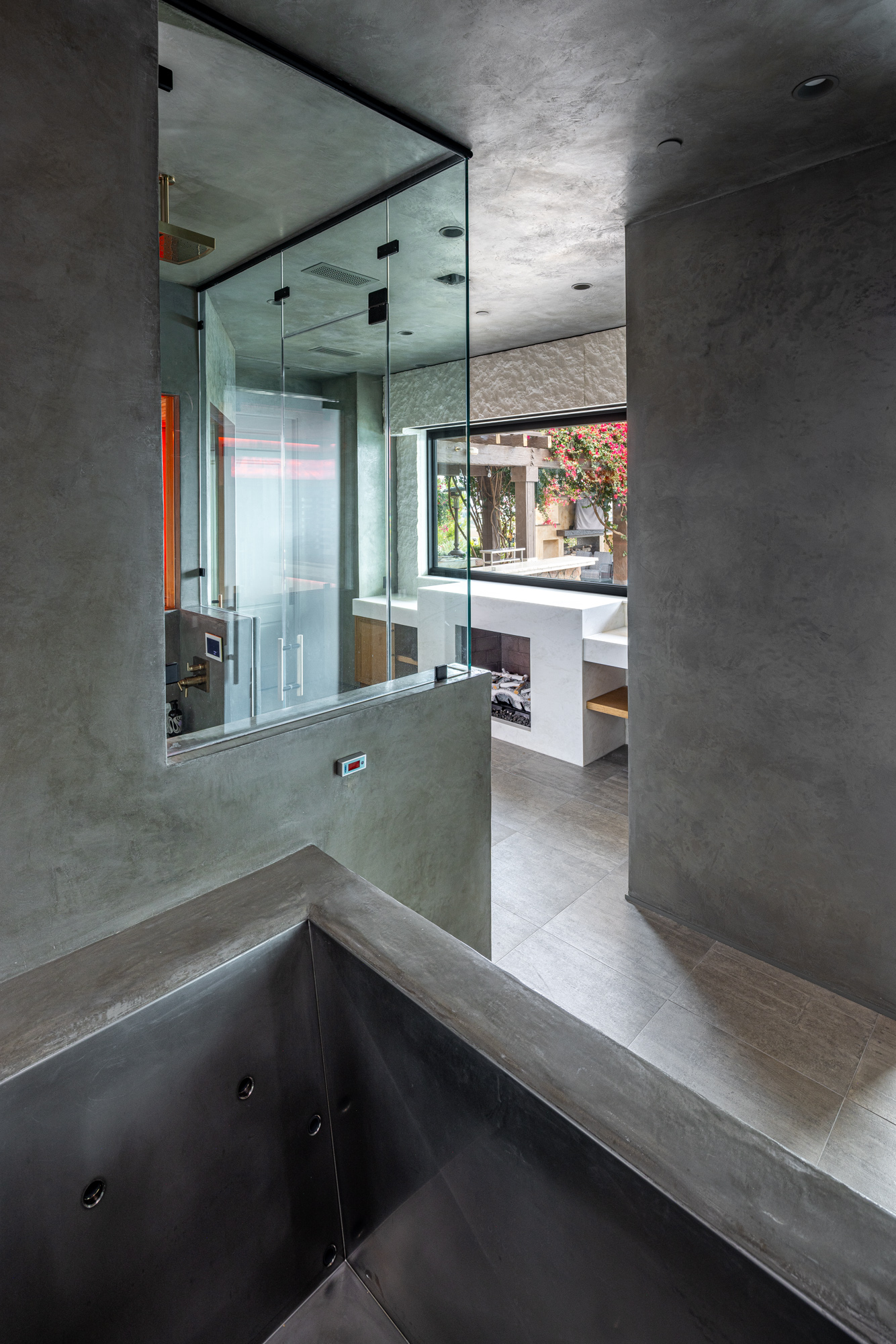
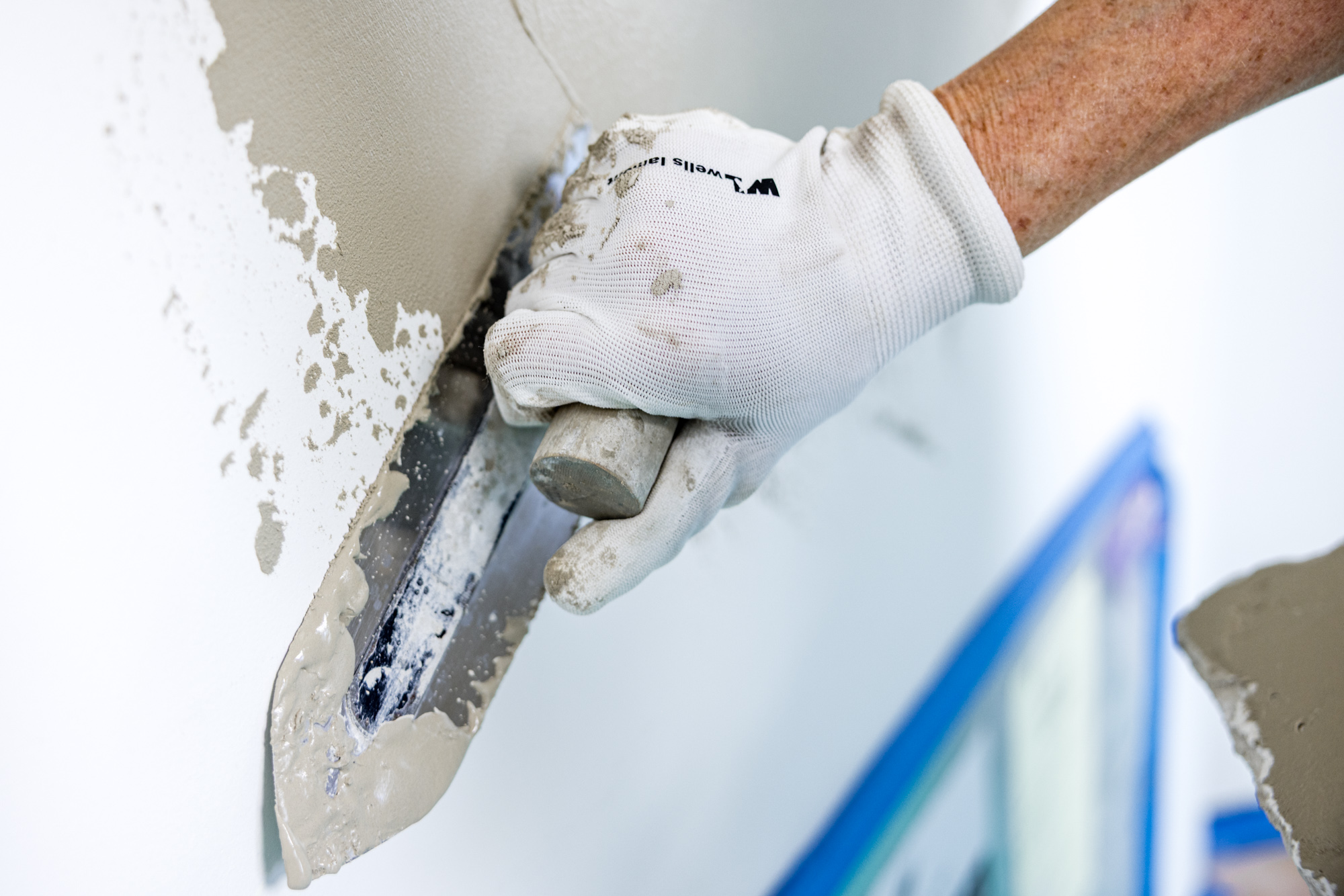
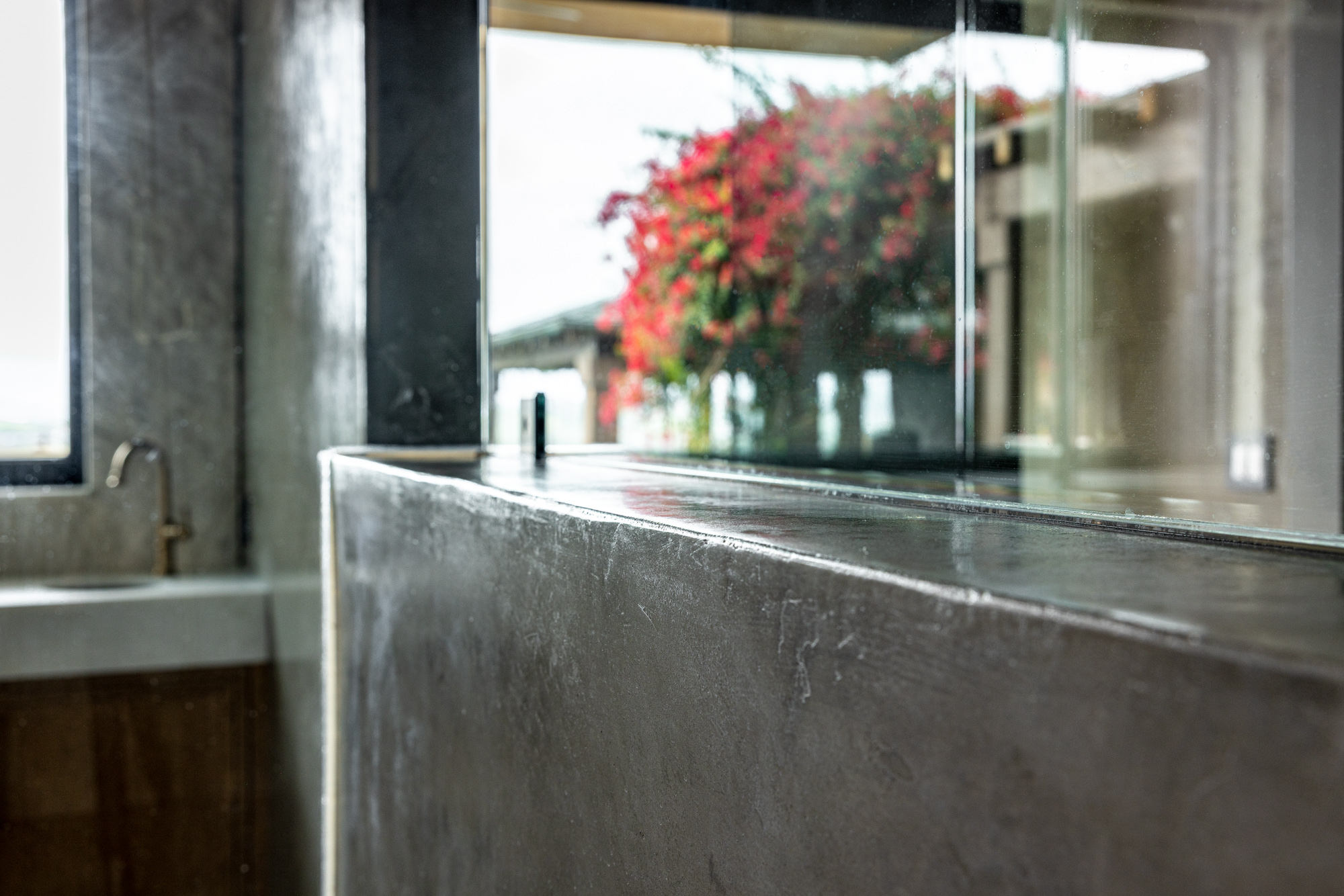
The shift in her business wasn’t made abruptly, but deliberately. Plaster doesn’t hide the process: trowel marks remain, and subtle variations stay visible. For Molly, the story told through finished walls, through restraint, timing, and intuition, is something she’s proud to shape.
Her relationship with New Age Artisans extends back well before the existence of The Plaster Portal. Molly has known owner Jeremy since the 2010s through shared creative circles and a mutual respect for craft. That long-standing connection evolved naturally alongside the growth of New Age Artisans itself. Today, she is a Plaster Portal member and materials user, finding value not only in NAA BLENDS but in the shared language around education and process.
What resonates most is the culture surrounding the community, one centered on openness rather than competition. Knowledge is shared freely, questions are encouraged, and growth is collective.
“There’s a generosity there,” she noted. “That makes a difference when you’re trying to build something sustainable.”
Much of Molly’s current work places her on job sites, where she collaborates closely with builders and designers while navigating timelines, logistics, and the physical demands of construction. Plaster, for her, is not so much a departure from art but a continuation of it.
“I think plaster lets you hold both,” she shared. “It’s physical and demanding, but it’s also incredibly expressive.”
Her days are often shaped by coordination with other trades and the realities of construction environments. Molly speaks openly about the physical demand and also the mental patience required to work with plaster at scale. But within those constraints, she also finds ways to experience clarity and presence. As a solo applicator, each wall demands a plan and an understanding of when to step back.
Community serves as a grounding element. Between workshops, long-standing relationships, and ongoing conversations within the plaster world, Molly stays connected to others who approach their work with similar intention. The openness and support within that network help make a demanding field sustainable.
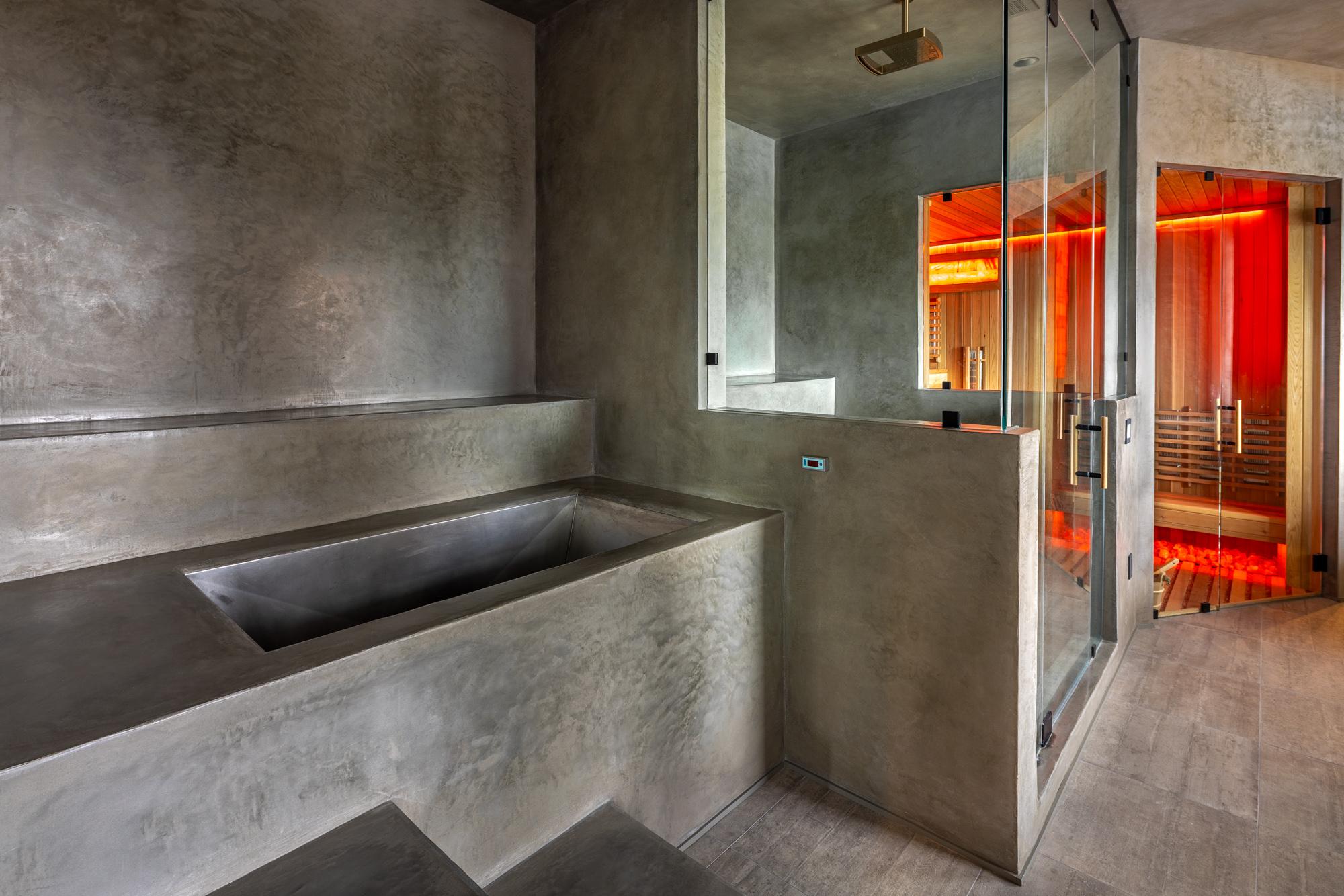
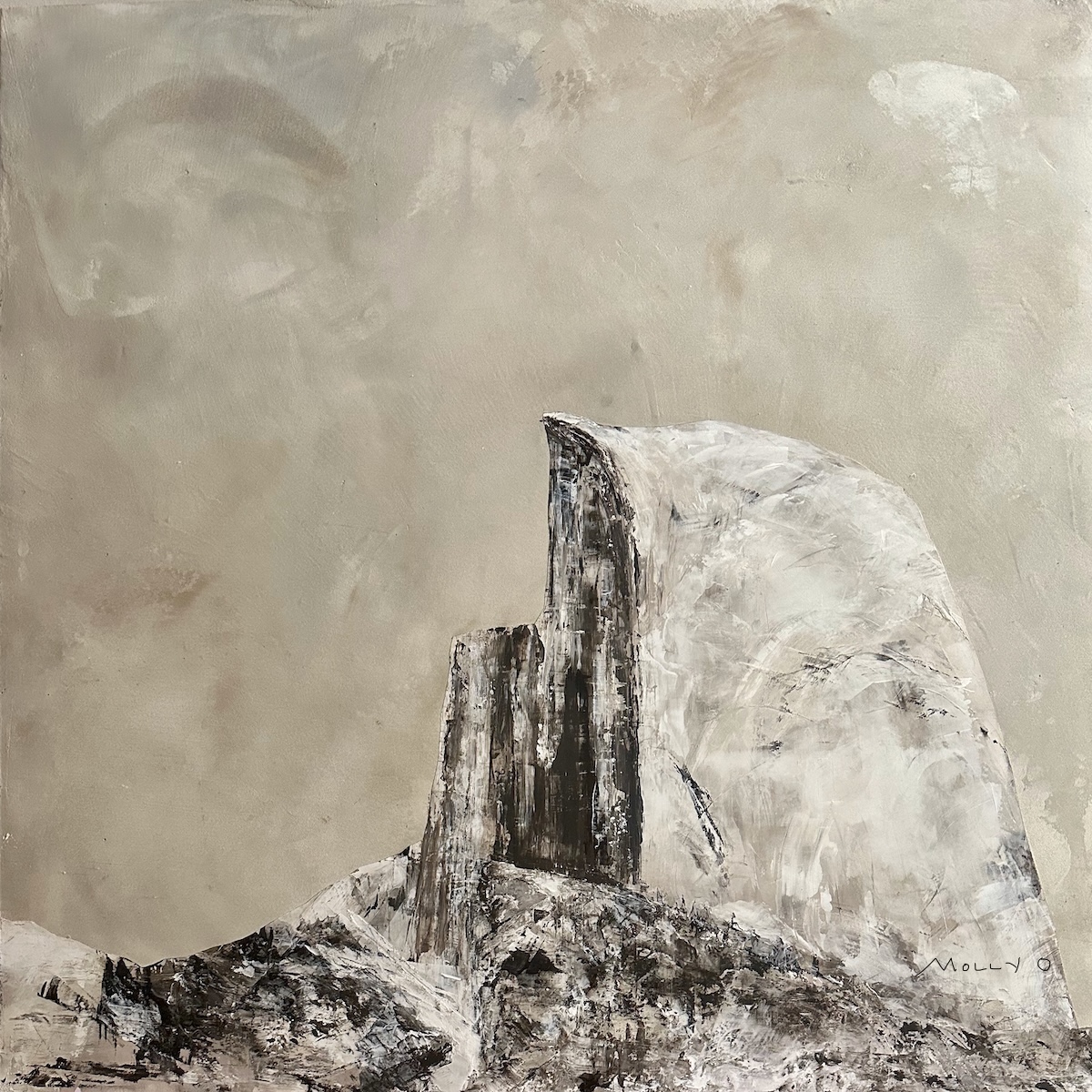
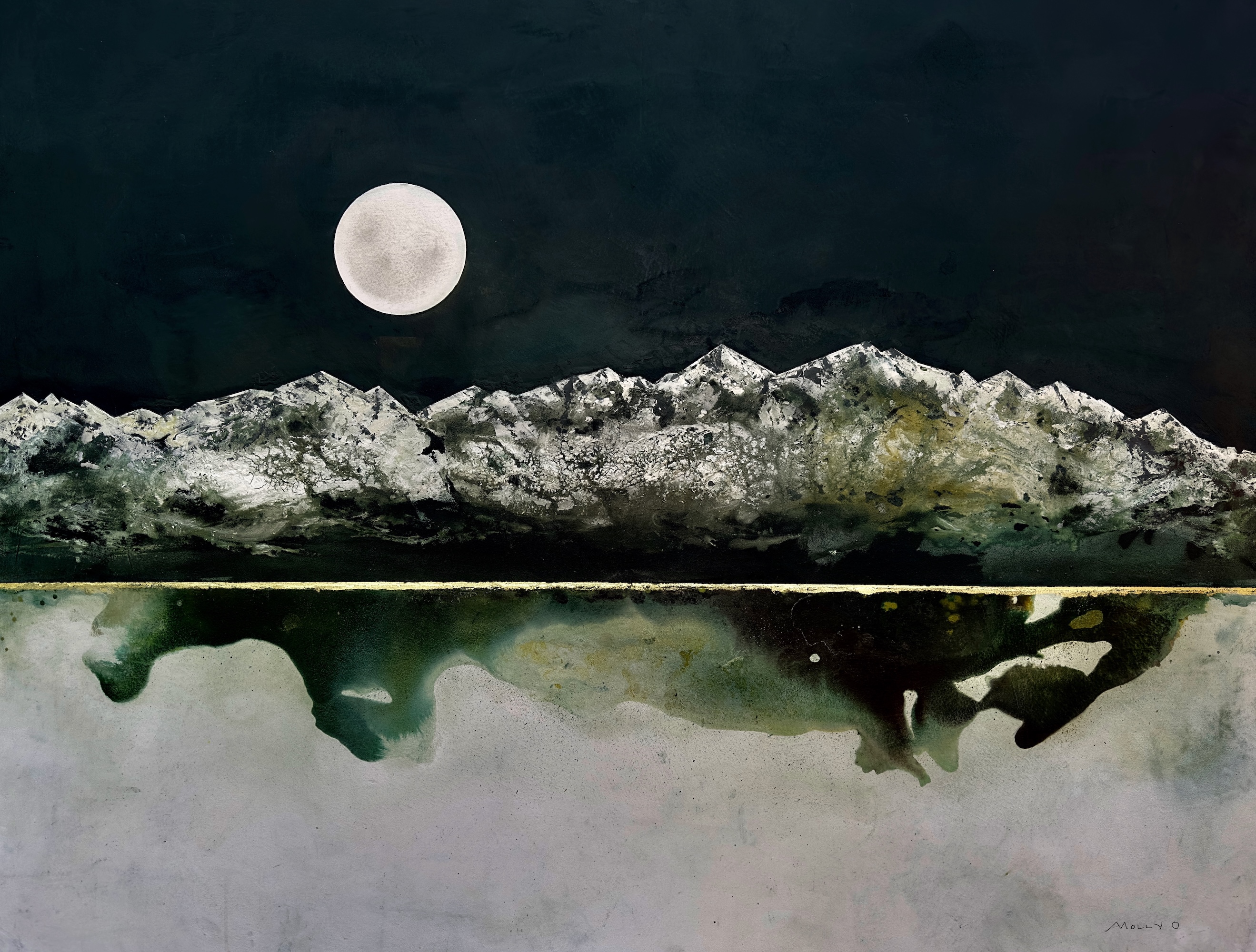
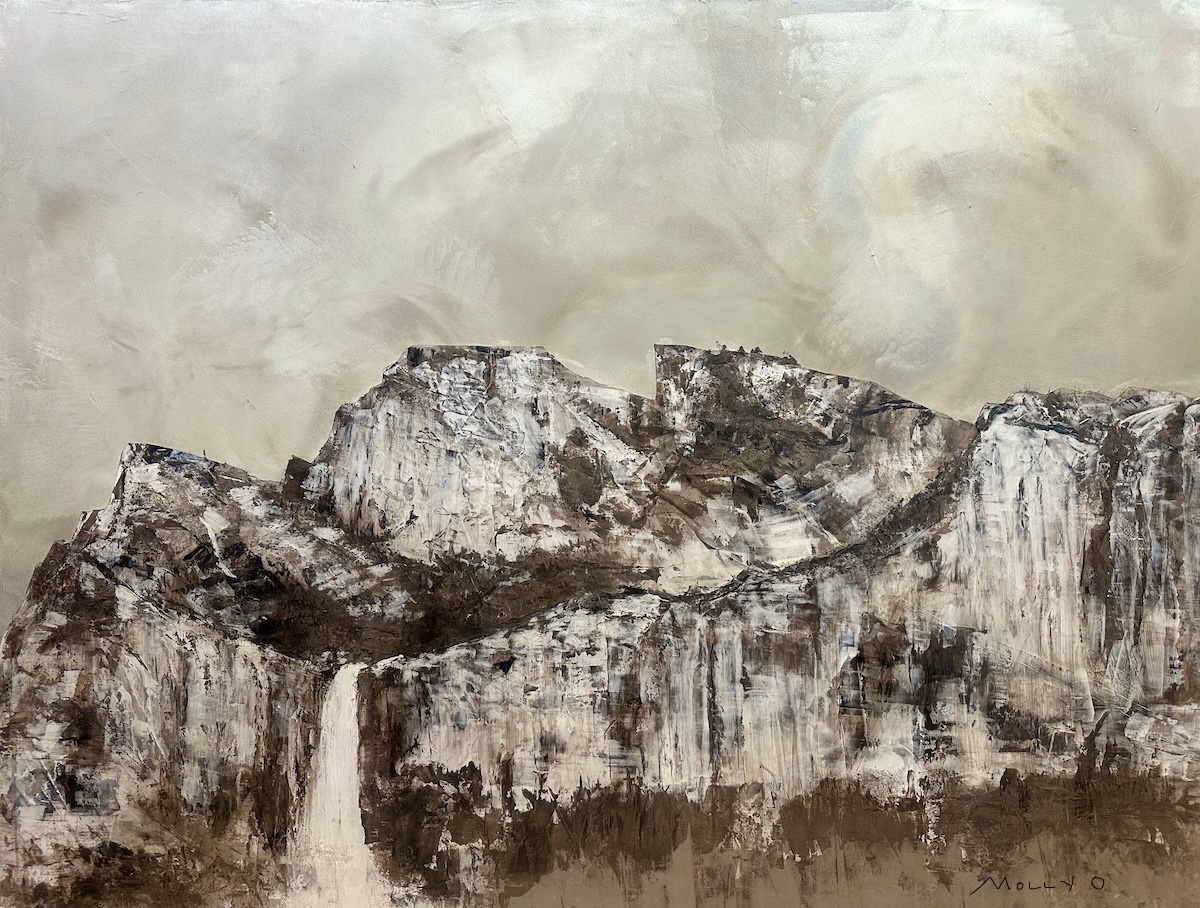
While plaster now occupies much of her professional workload, Molly has continued her fine art practice. Art has come to exist alongside her trade work, informing how she approaches projects and materials. In 2014, her artwork was recognized by a gallery, opening the door to commissioned fine art projects that have allowed her to explore that avenue while staying focused on her work in the trades. Painting and studio work offer a different pace while precedence remains on contracts and client work.
Looking ahead, Molly isn’t pursuing expansion for its own sake. Her vision remains focused on what is sustainable for her and her business. She wants to continue working with integrity and building a practice where craftsmanship and creativity can coexist over the long term.
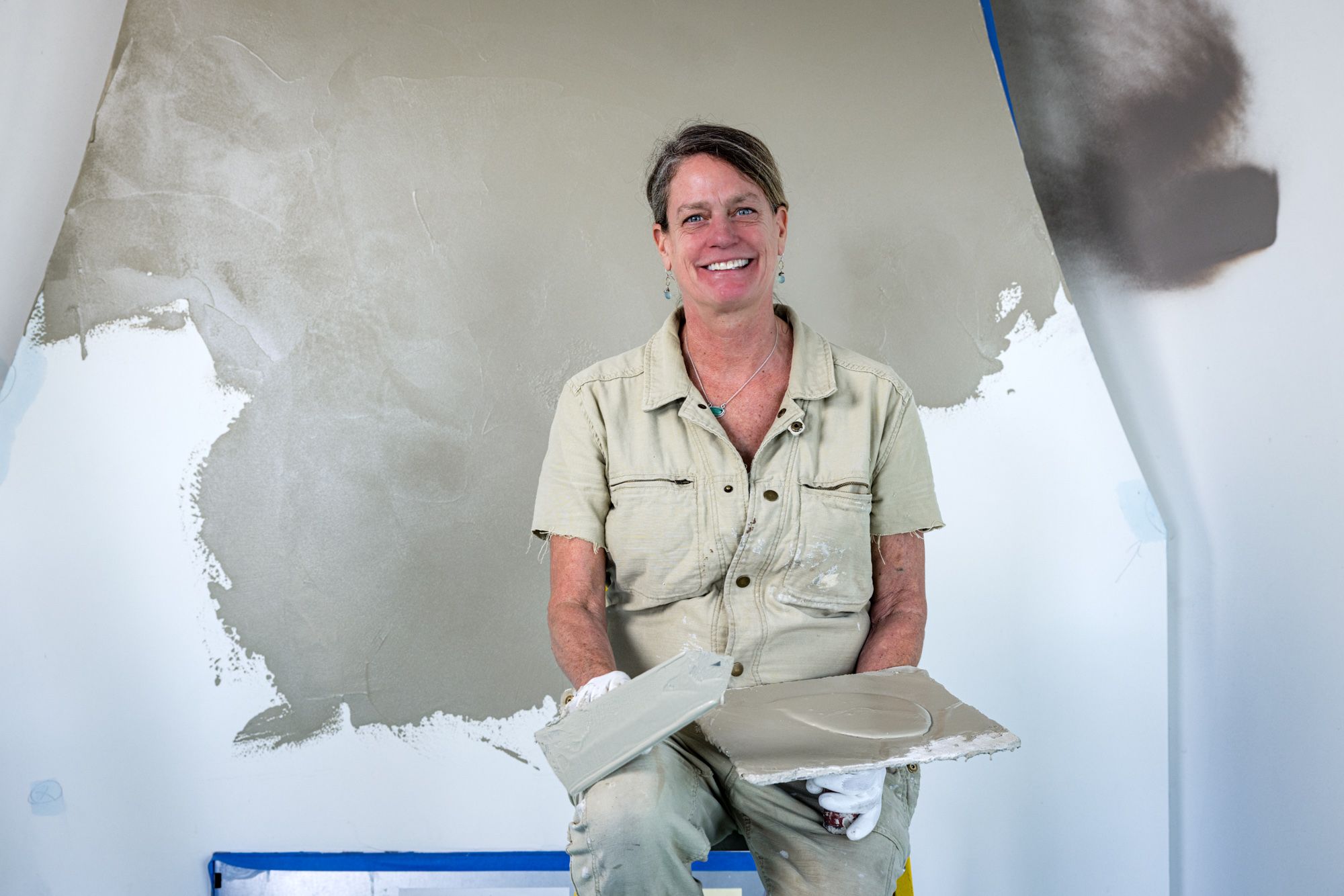
The projects Molly is most drawn to are those that allow her to work holistically, especially spaces where she can apply plaster finishes while also contributing commissioned fine art, creating a dialogue between the walls and the artwork. These projects reflect the full scope of her experience and the long arc of skills she has built through hard work and intention over more than two decades.
Her story reflects something fundamental about plaster itself: that strength doesn’t require rigidity, and that the finish is better when it isn’t overworked.
Image Gallery