Julie Anderson - Julie Anderson Ceramics
.png)
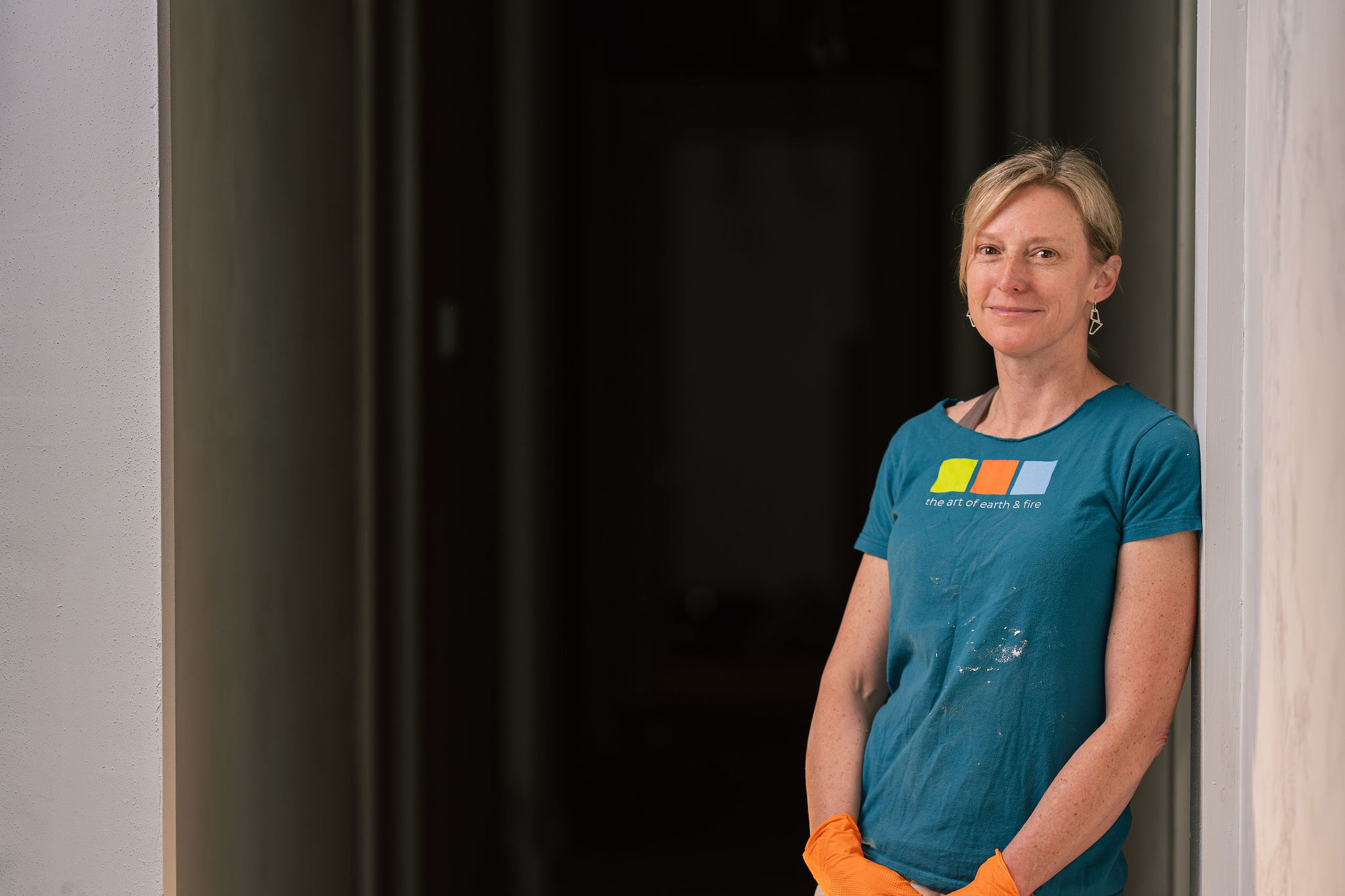
Long before she became a ceramic artist, educator, and plaster applicator, Julie Anderson planned to become a forest ecologist. She studied biology at Northland College in northern Wisconsin, where she also pursued a minor in art. The plan was to continue to graduate school and build a career in ecology and conservation biology. Then she enrolled in a ceramics class.
"Life" however had some different plans. "When I enrolled in my first ceramics class and placed my hands on a soft lump of clay at the potter’s wheel, I knew I had found my match.”
Clay and working at the wheel challenged her. There is a level of unpredictability that comes along with shaping clay. Things don’t always go according to plan, and this can create a sense of intimidation when engaging with the material. But she found in her perseverance a pattern that would repeat itself throughout her career.
“I’ve always found that the materials that intimidate me most initially become the ones that I love the most later.”
After graduating, she moved to Steamboat Springs, Colorado, for a ceramics internship. What began as a temporary opportunity became the foundation of a life centered around making, teaching, and working with materials.
She continued developing her ceramics practice while teaching, waiting tables, and working in a production studio under master mold-maker Jonathan Kaplan. There, she learned the technical side of ceramics while managing production and developing her own work.
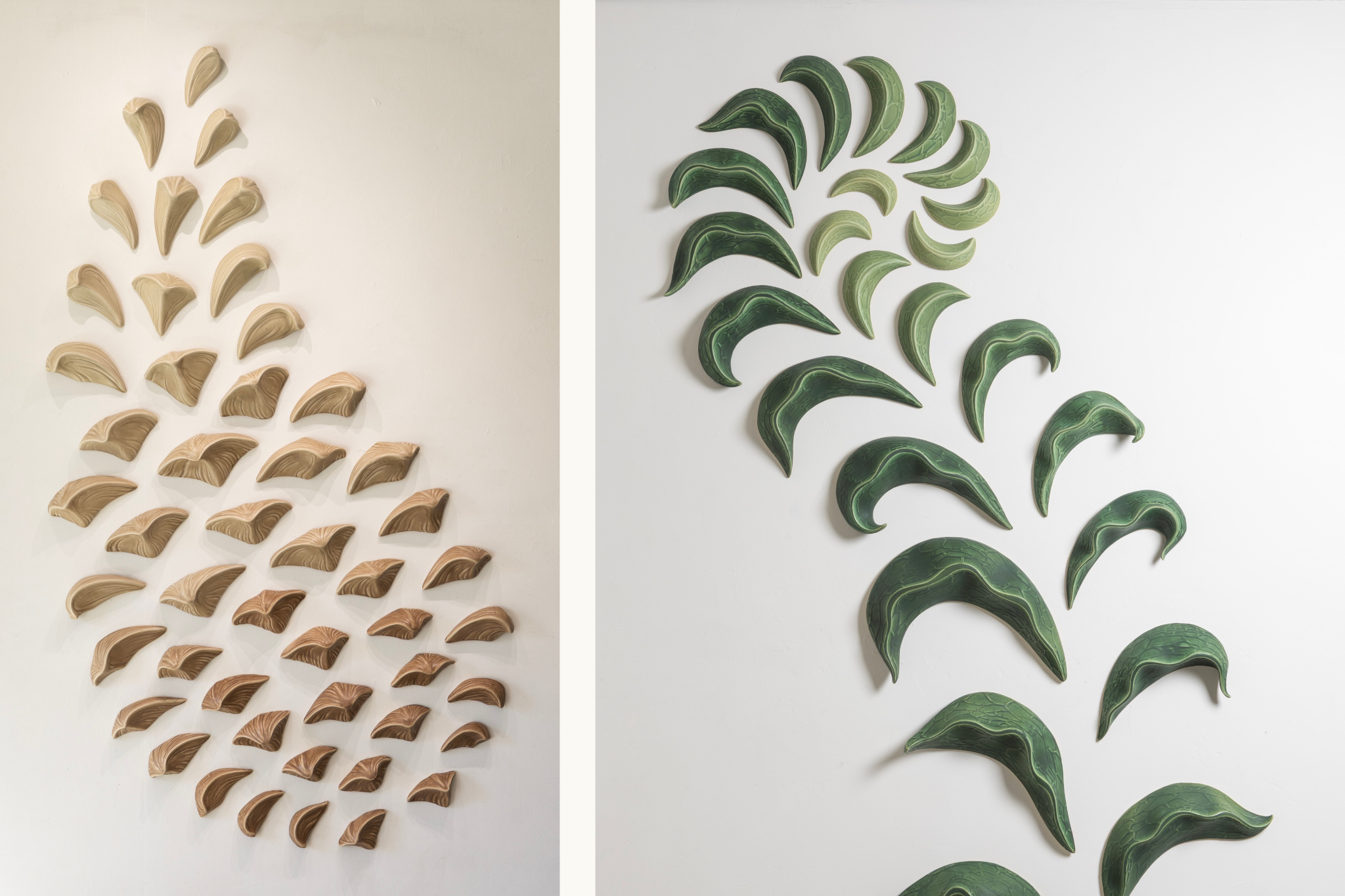
Over time, Julie built a business creating custom-carved tile installations for homes and commercial projects. Working with custom tile introduced countless variables. If a single piece in a larger mural failed, recreating it exactly could be nearly impossible. Rather than fighting those limitations, she began moving toward individual sculptural components that interacted with the wall in different ways.
Her installations became less about filling a defined rectangle and more about creating movement, rhythm, and space, with negative space becoming just as important as the ceramic forms themselves.
Her background in biology never disappeared. Instead, it found a new expression through the plants, birds, ecological systems, and growth patterns that continue to influence her work. She studies the way forms unfurl, spread, age, and respond to their environment, translating those observations into ceramic installations that seem to drift and grow across a wall.
“Curiosity and a love of biology inform my artistic vision,” she wrote in her artist statement.
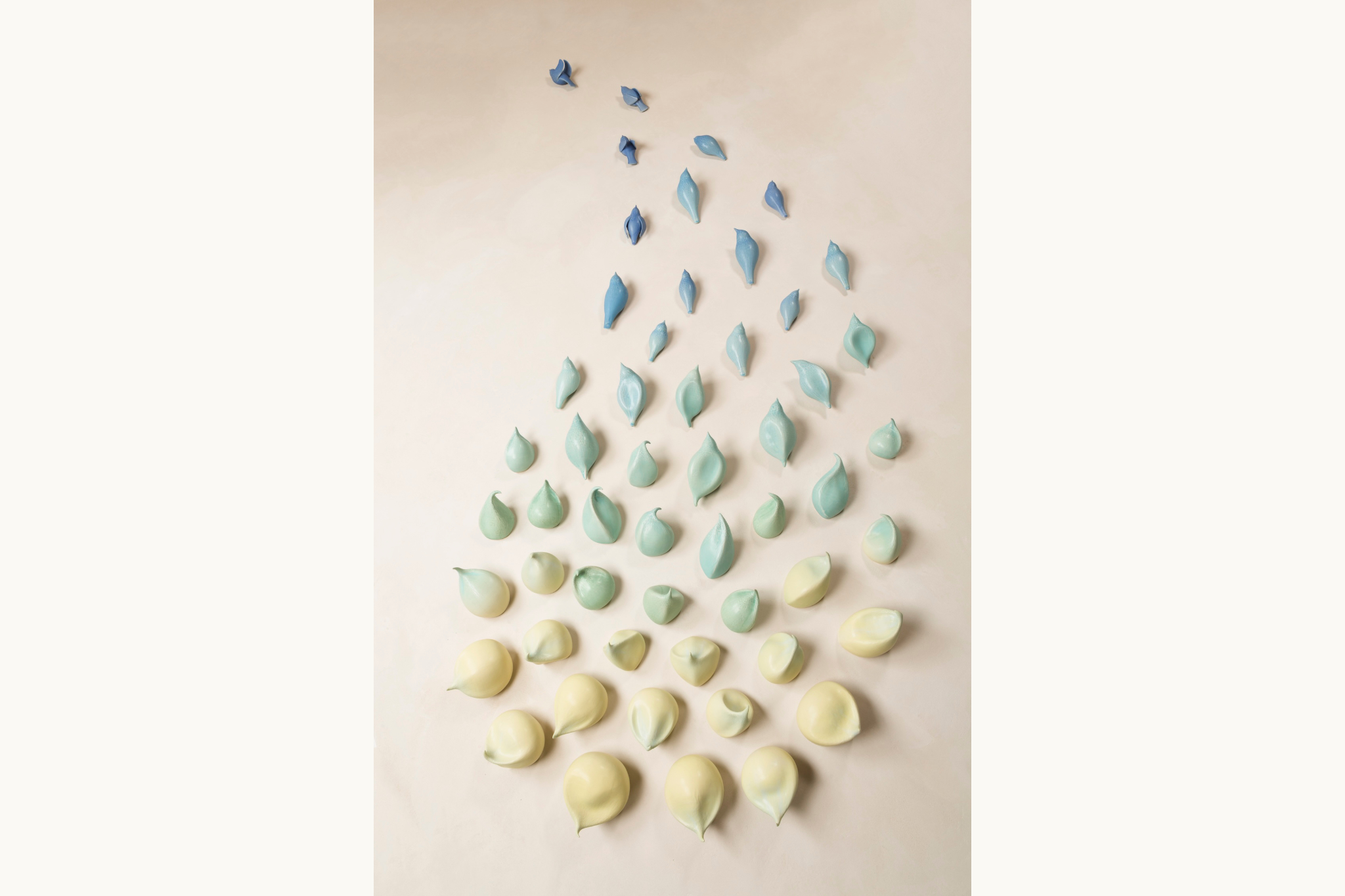
That same curiosity appears in her process. Julie’s studio is filled with glaze tests accumulated over years of experimentation, alongside notebooks and formulas documenting how different materials behave. Testing is part of the work. Whether she is working with clay, glaze, or plaster, she remains fascinated by the variability of natural materials.
“I think it’s the challenge of variability working with natural materials that keeps me curious,” she said. “This variation is also what makes things more difficult and even stressful at times, but I think I would get bored if things were always 100 percent predictable.”
That mindset has influenced not only her artwork but also her teaching. One of the lessons she returns to most often with students is simple: DON'T GET ATTACHED.
“There are no guarantees that things are going to turn out exactly as you expected when you’re working with Mother Nature,” she said.
Even while in college, Julie was teaching ceramics classes to children. After moving to Colorado, she began teaching at Colorado Mountain College and continued building educational opportunities wherever she could.
“I absolutely love teaching,” she said.
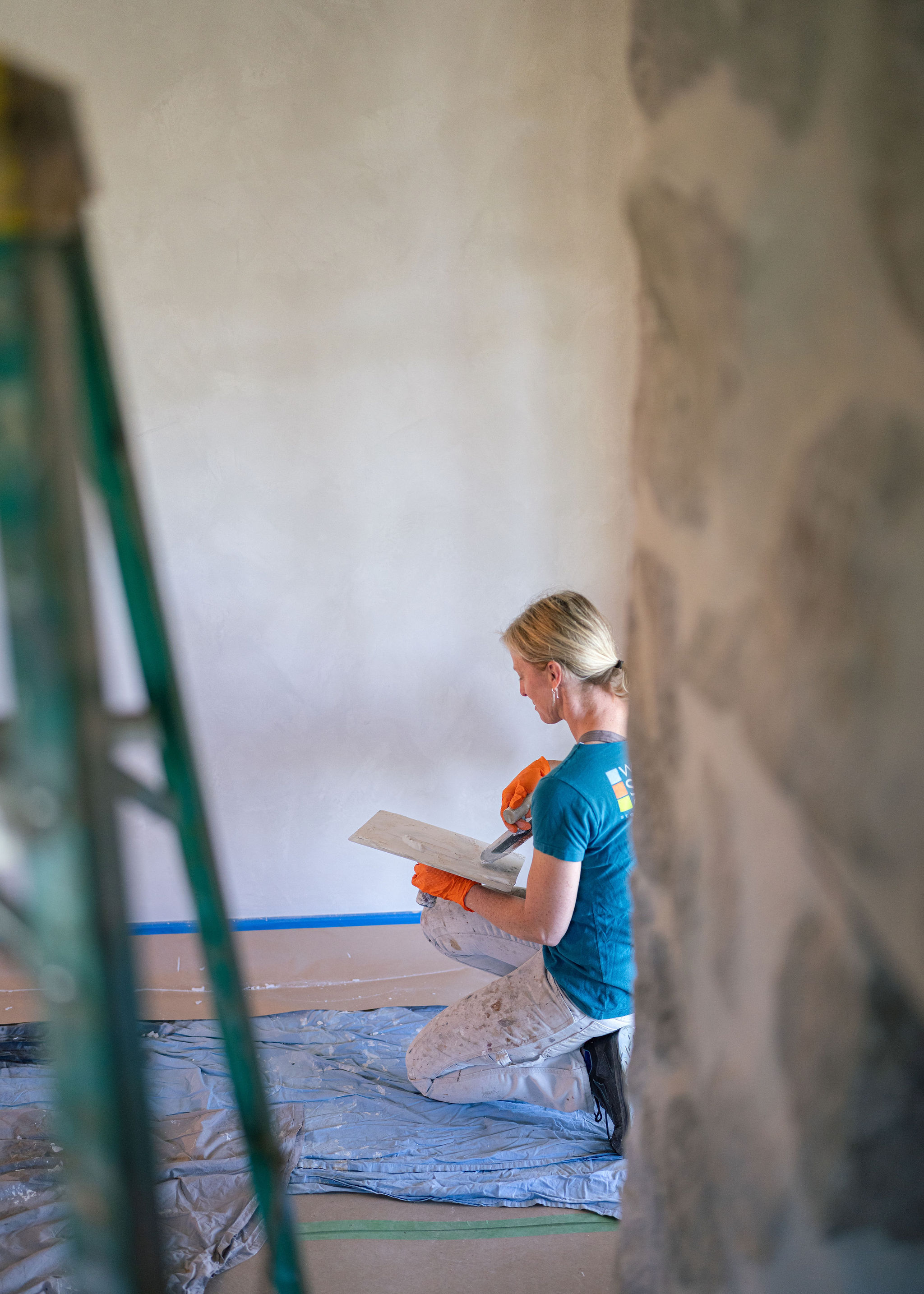
Over time, she found herself imagining a space that could support a larger creative community while giving her more freedom to pursue education on her own terms.
In 2004, Julie and her husband and fellow artist, Greg Grasso, purchased a warehouse unit in Steamboat Springs and transformed it into a live-work environment. Their studios occupied the lower level while their living space sat above. They affectionately called this space their “warehome.”
This space became Warehome Studios. In 2016, Julie and Greg opened the studio as a community educational facility for ceramics and glass, creating a home for classes, internships, artist residencies, and a growing creative community. Today, Warehome Studios continues to reflect Julie’s belief that knowledge becomes more meaningful when it is shared.
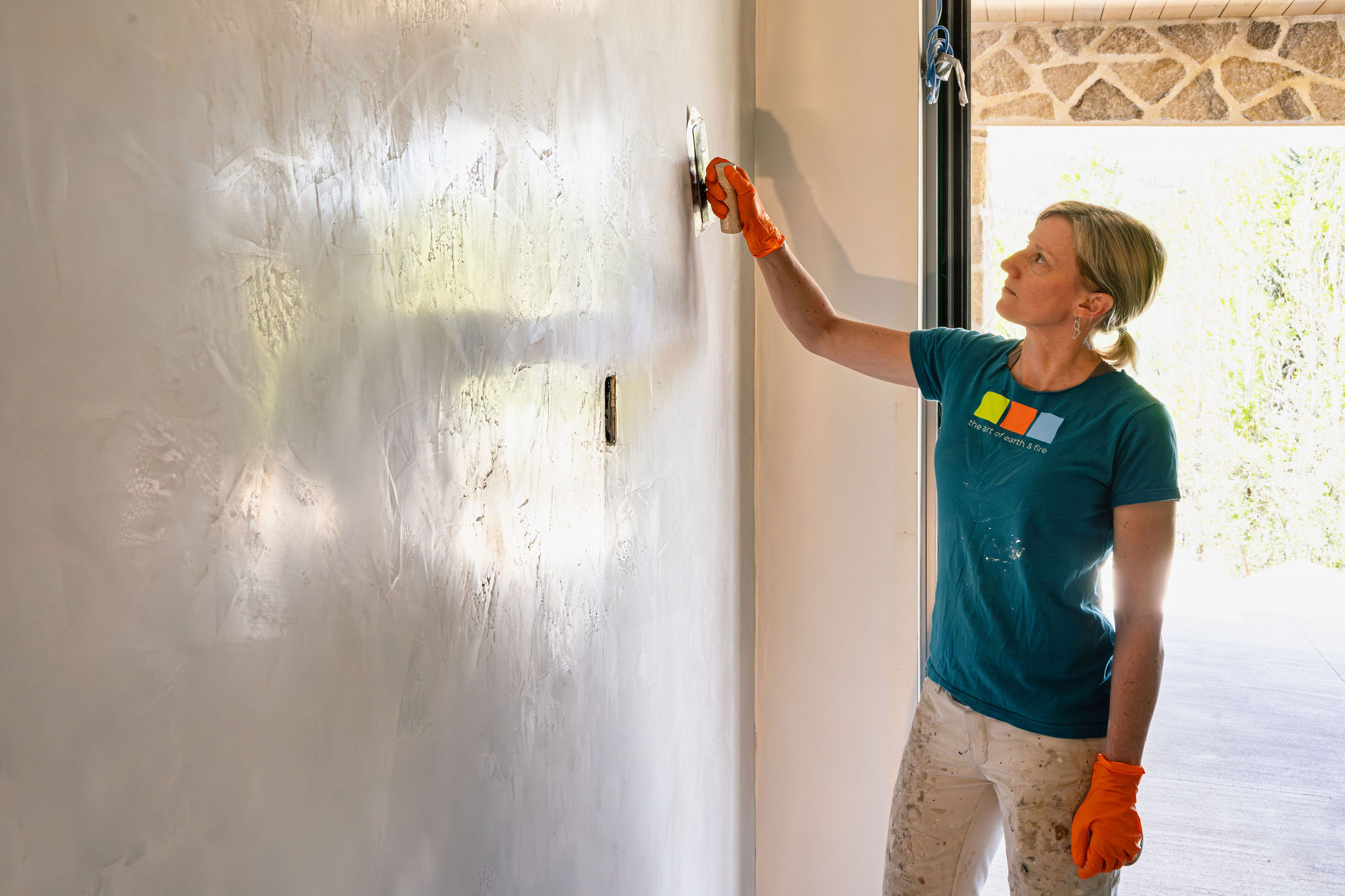
That same belief in learning and exploration was also what led Julie toward plaster.
Around 2009, she heard about clay plaster and immediately recognized a connection. As someone immersed in ceramics and working with decorative wall finishes, she found the material felt like a natural bridge between two worlds she already loved.
“It sounded totally up my alley,” she said.
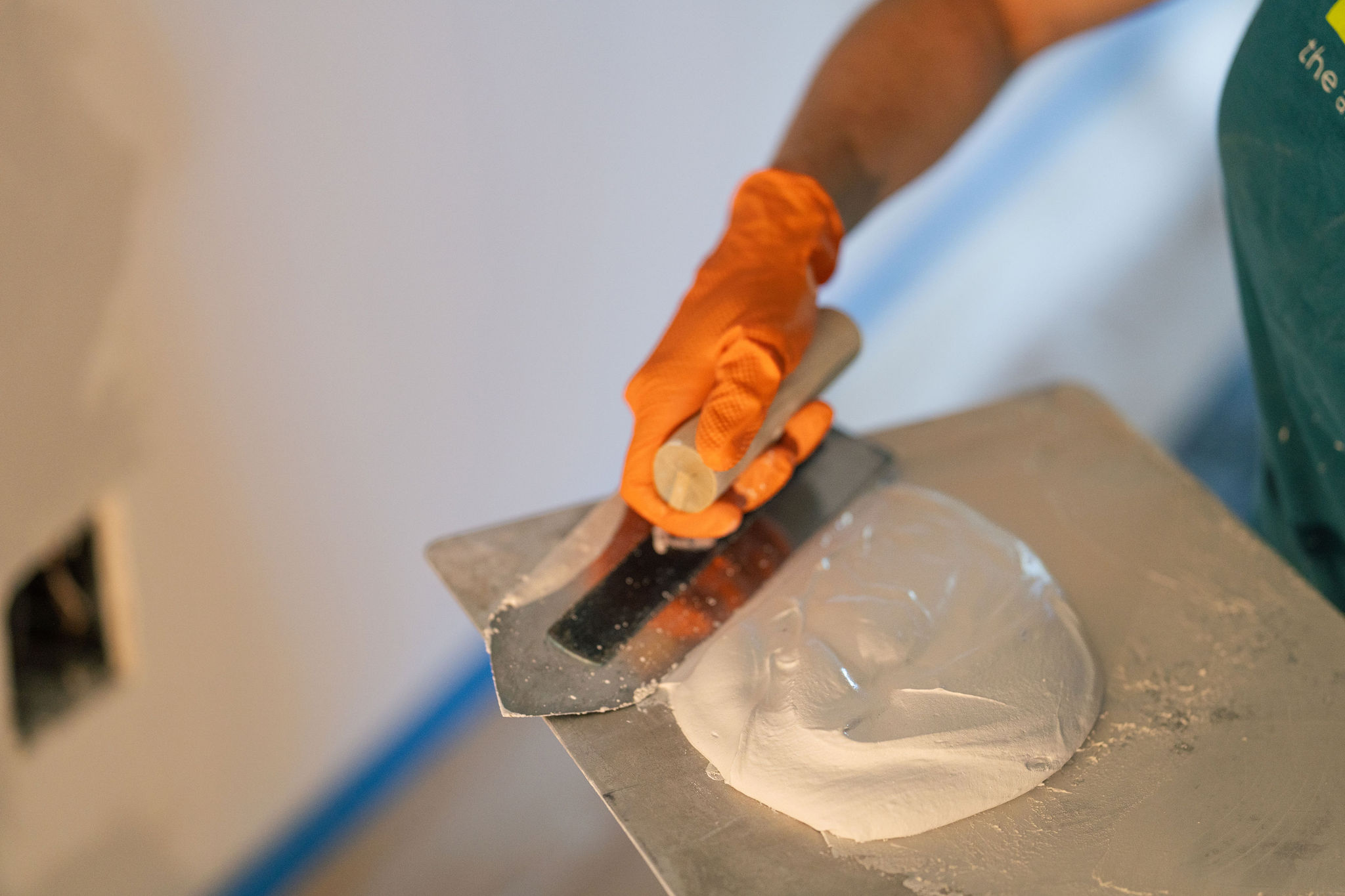
Although the tools and application methods initially felt unfamiliar, she approached plaster the same way she had approached ceramic work years earlier: through curiosity, experimentation, and a willingness to learn. After studying on her own, she eventually took a workshop with Deborah Hall in Colorado Springs, which deepened her understanding of the material.
As her knowledge and skill set grew, Julie began introducing clay plaster to designers, architects, and clients throughout Steamboat Springs. She taught classes, became a dealer for American Clay, and spent years helping people understand the possibilities of natural wall finishes.
For Julie, plaster offered something faux finishes never quite could. It carried the authenticity of a natural material and embraced variation rather than hiding it.
“I love the subtlety of plaster and the movement that you get with trowel-applied materials,” she said.
That appreciation continues to shape the way she thinks about walls today. Light interacts differently with lime plaster walls, and the sheen depends on the application process and trowel work. Small changes and variations become a part of the finished result. The visual depth and variability are akin to what has fascinated her about the other materials she has worked with throughout her career.
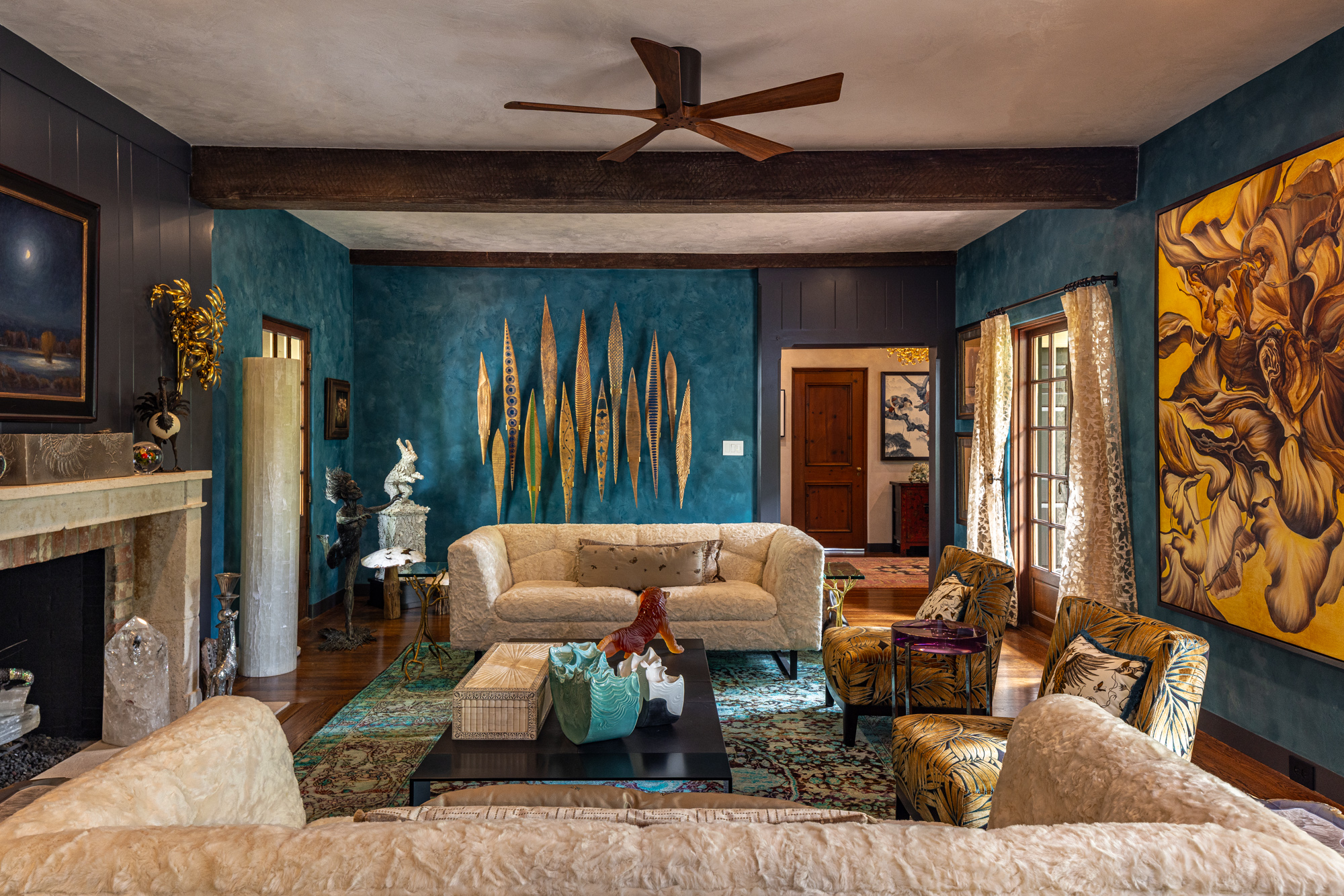
As her interest in plaster grew, Julie began exploring a range of products and techniques, including tadelakt and lime-based finishes. Eventually, those explorations led her to New Age Artisans.
Through a connection with a past NAA employee and mutual relationships within the plaster sphere, Julie was introduced to the New Age Artisans community and products. What stood out initially was not simply the product itself, but the culture surrounding it. The willingness to share knowledge resonated immediately.
“It sounded like Jeremy was really interested in not holding secrets about the materials,” she said.
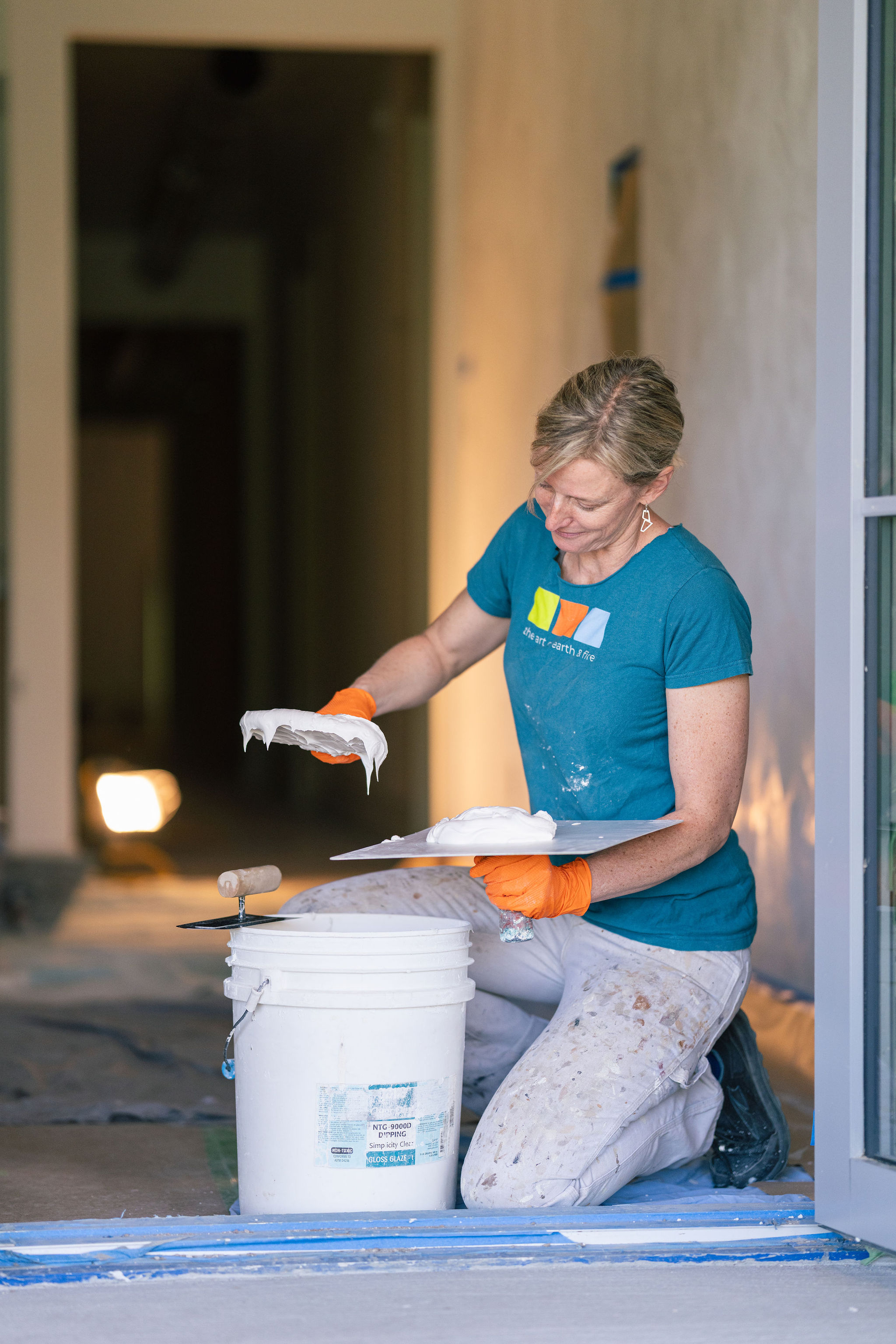
As an educator herself, Julie has spent much of her career helping others develop skills and creating learning opportunities, so the openness felt familiar. She also appreciated being able to speak directly with Jeremy and receive thoughtful responses, reinforcing the sense that education and collaboration were genuine priorities.
Recently, Julie has begun incorporating New Age Artisans' BLENDS into larger projects, including a substantial lime plaster installation in California and additional residential work closer to home. Like many plaster projects, the work came with unexpected conditions and reinforced a lesson she has learned repeatedly throughout her career: materials always have something to teach, and buildings often do too.
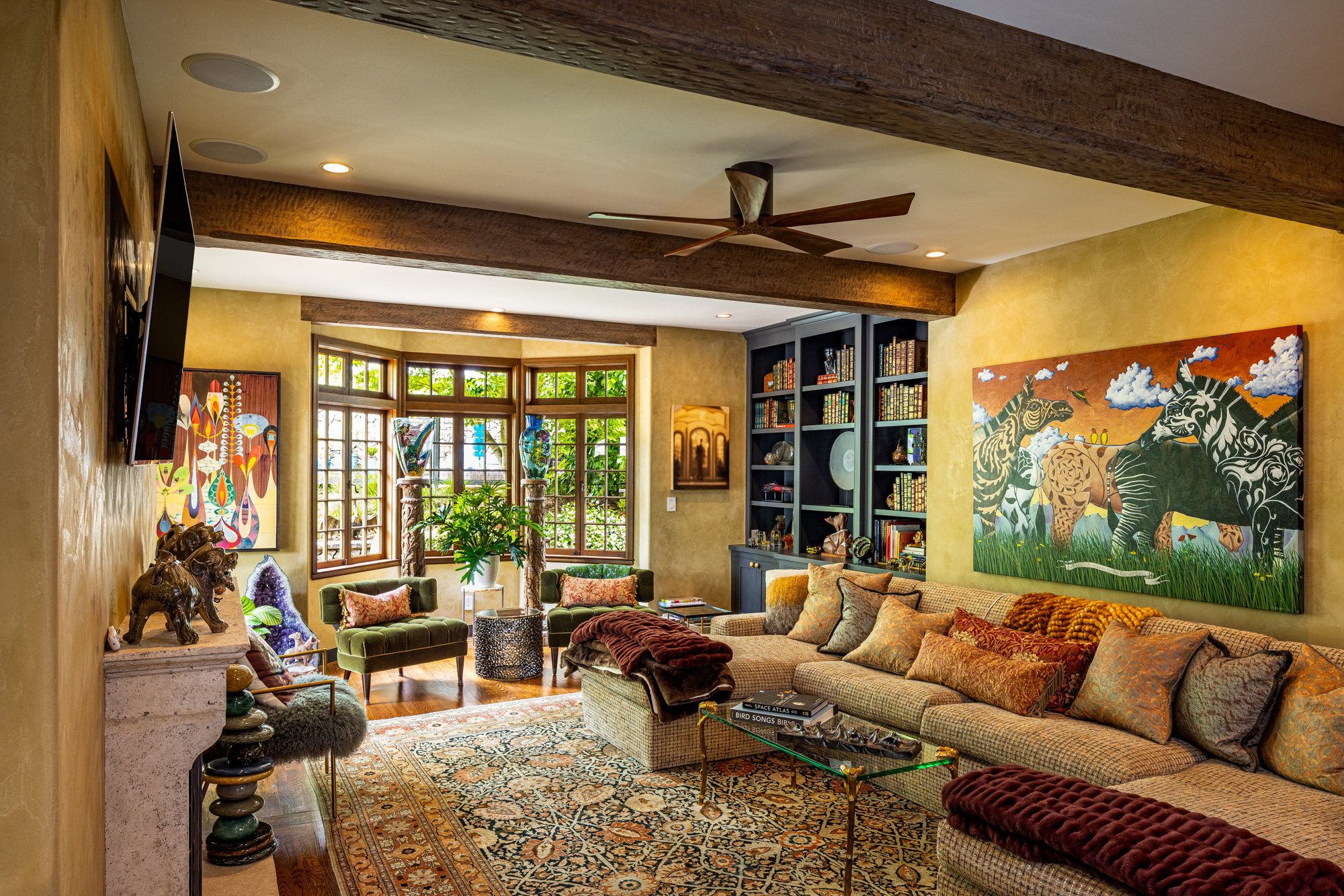
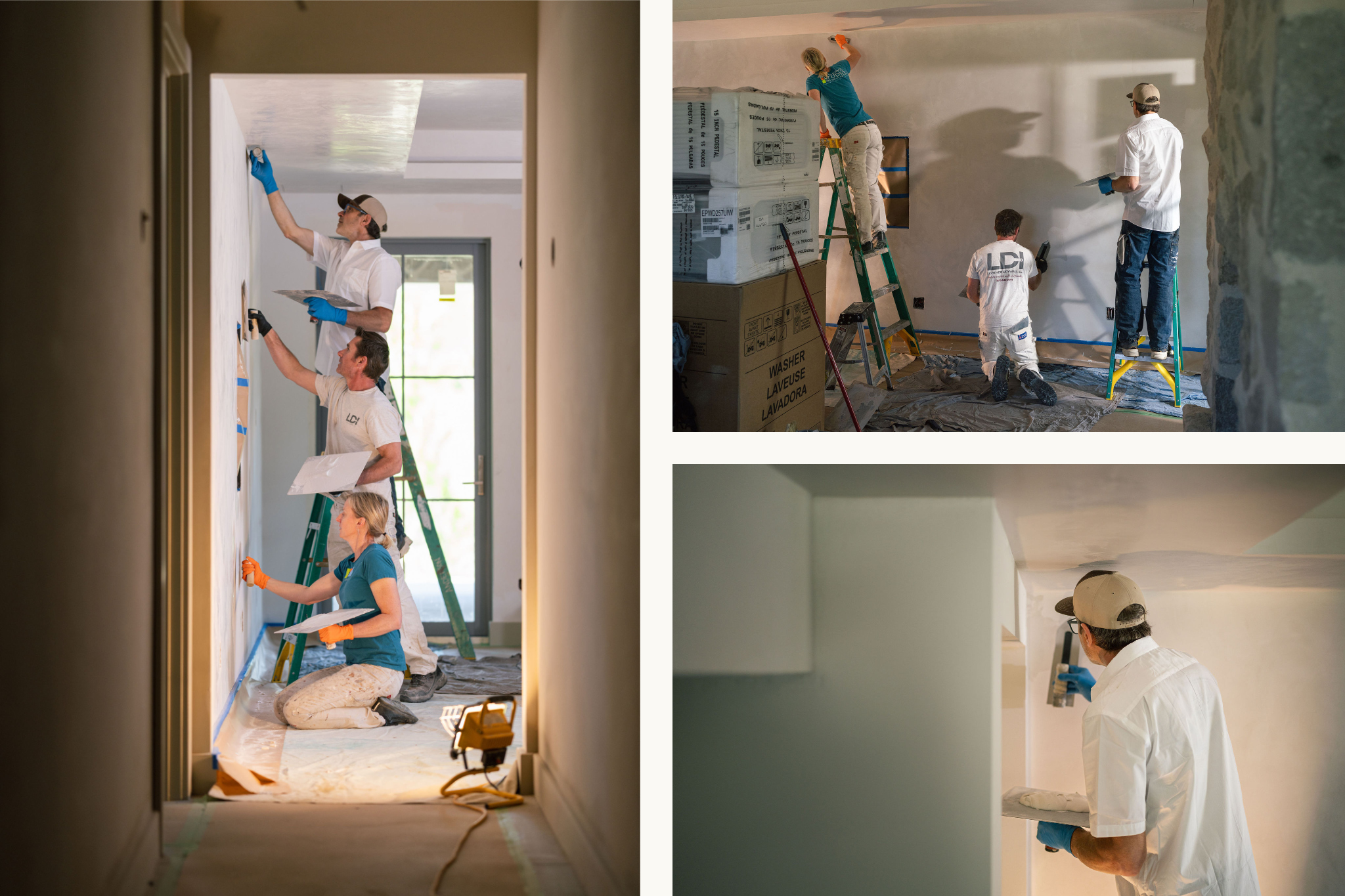
As her plaster work has grown, Julie has also relied on a small team of trusted installers. Ryan Lightner and Jason Landers have become essential to that side of the business, often handling much of the on-site installation work as projects have increased in scale.
Julie has worked with Ryan on and off for nearly 20 years and began working with Jason about four years ago. Their support has allowed her to continue taking on plaster projects while also preserving the time and space needed for her own artwork and teaching. She is quick to credit their role in making that balance possible.
“I couldn’t ask for two better people to install plaster,” she said.
Despite the differences between ceramics and plaster, there are also similarities. Both reward patience, require attention, and preserve evidence of the hand that shaped them. For Julie, that relationship becomes especially apparent when plaster and ceramics meet within the same space.
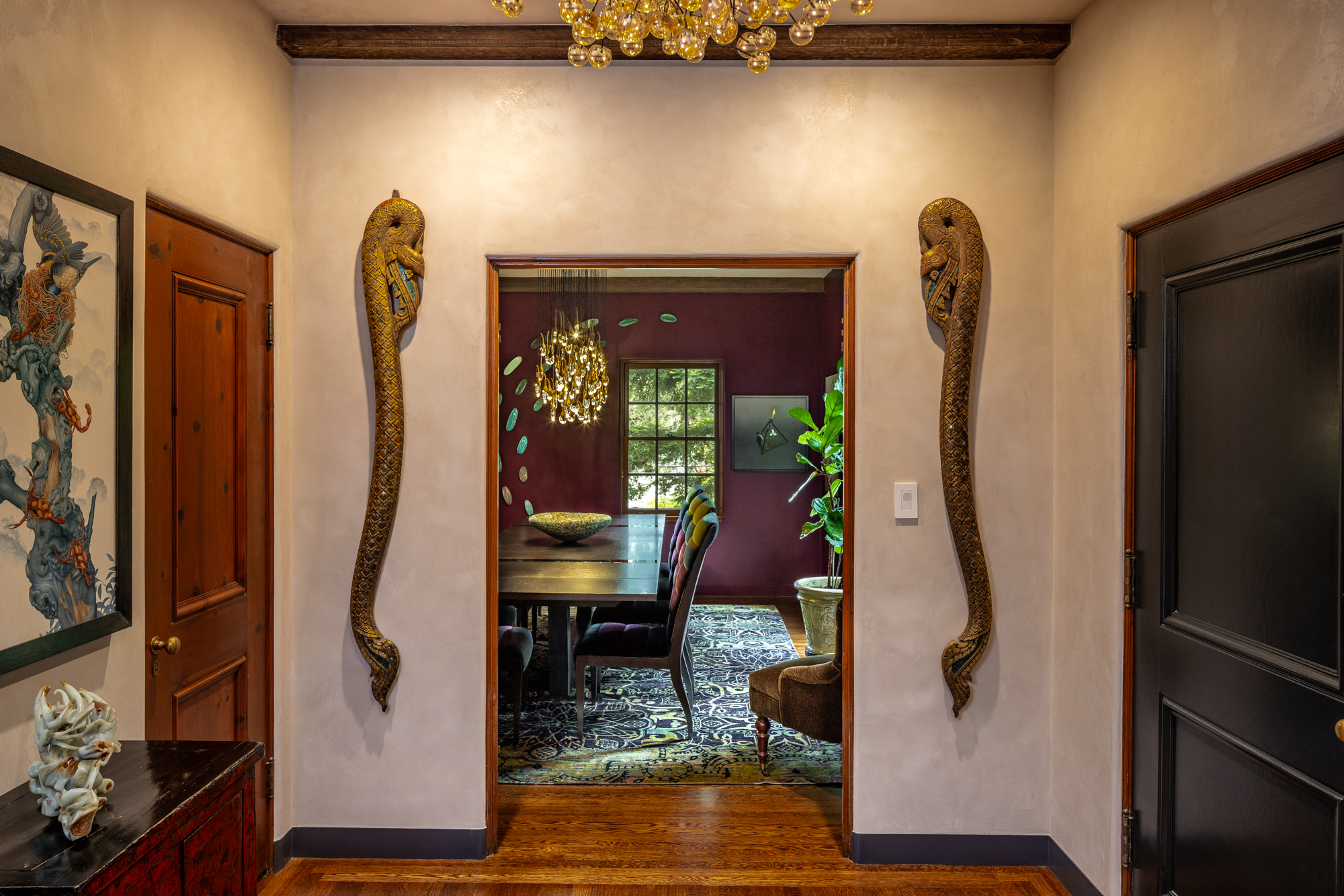
Many of her ceramic wall installations are designed around negative space. The work is not intended to dominate a wall. Instead, it interacts with it. The surface behind the artwork remains an active participant in the experience.
“When the wall behind it is plaster, it’s even better. The plaster itself has a sort of ethereal quality to it with the subtle pattern of trowel marks that reminds me of wispy clouds in the sky,” she said.
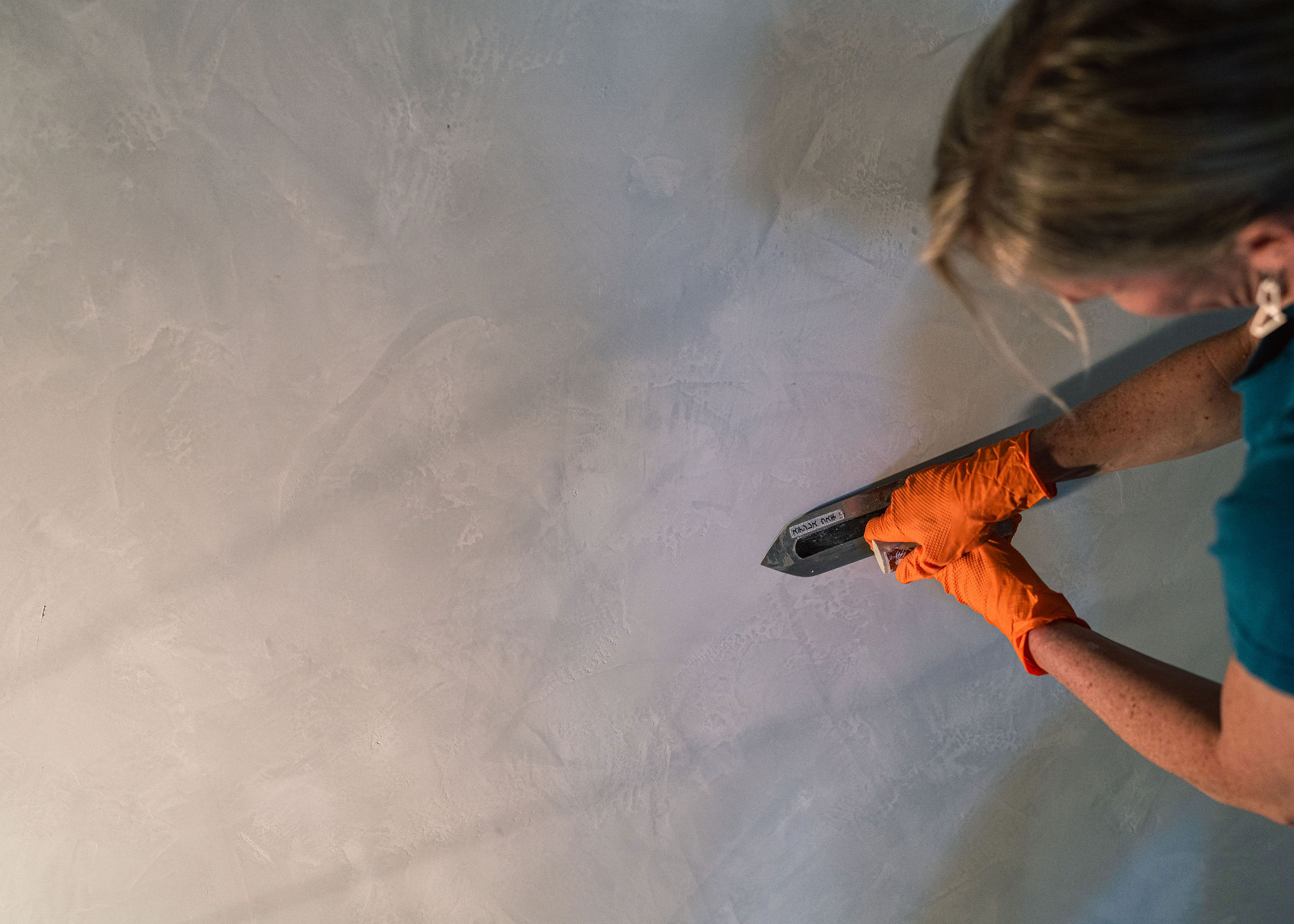
Her ceramic forms often appear to drift, float, or expand across a surface. The negative space between them becomes part of the composition, and a plaster wall adds another layer to that relationship through subtle movement, trowel marks, texture, and light.
“For my ceramic wall installations, I hope people experience a feeling of spaciousness, aliveness, and movement,” she said.
She hopes the work offers viewers a brief pause from the pace of daily life, a moment to breathe and observe. Much of that feeling comes from the negative space she values so deeply and from the relationship between the artwork and the wall itself.
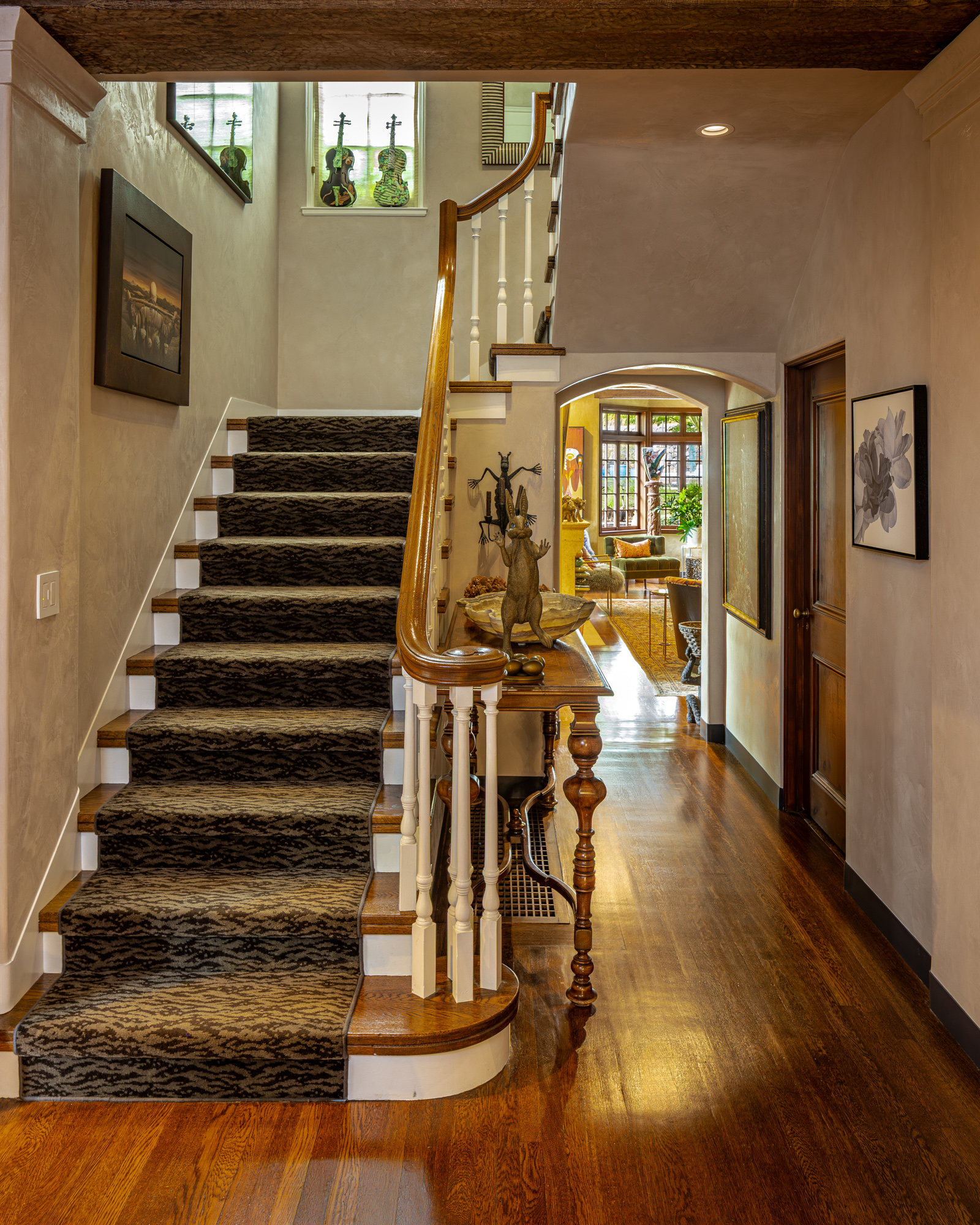
Today, her work continues to bring together many of the same interests that first drew her toward biology, ceramics, and teaching: observation, curiosity, experimentation, and a deep appreciation for how natural systems and materials behave. The materials may have changed over the years, but the curiosity has remained constant.
“I think there is a sort of conversation going on between the wall itself and the artwork,” she said.
In many ways, that conversation reflects Julie’s broader relationship with mediums themselves and a willingness to let natural materials reveal their own possibilities.
To explore more of Julie’s ceramic wall installations and sculptural work, visit julieandersonceramics.com and follow her on Instagram.