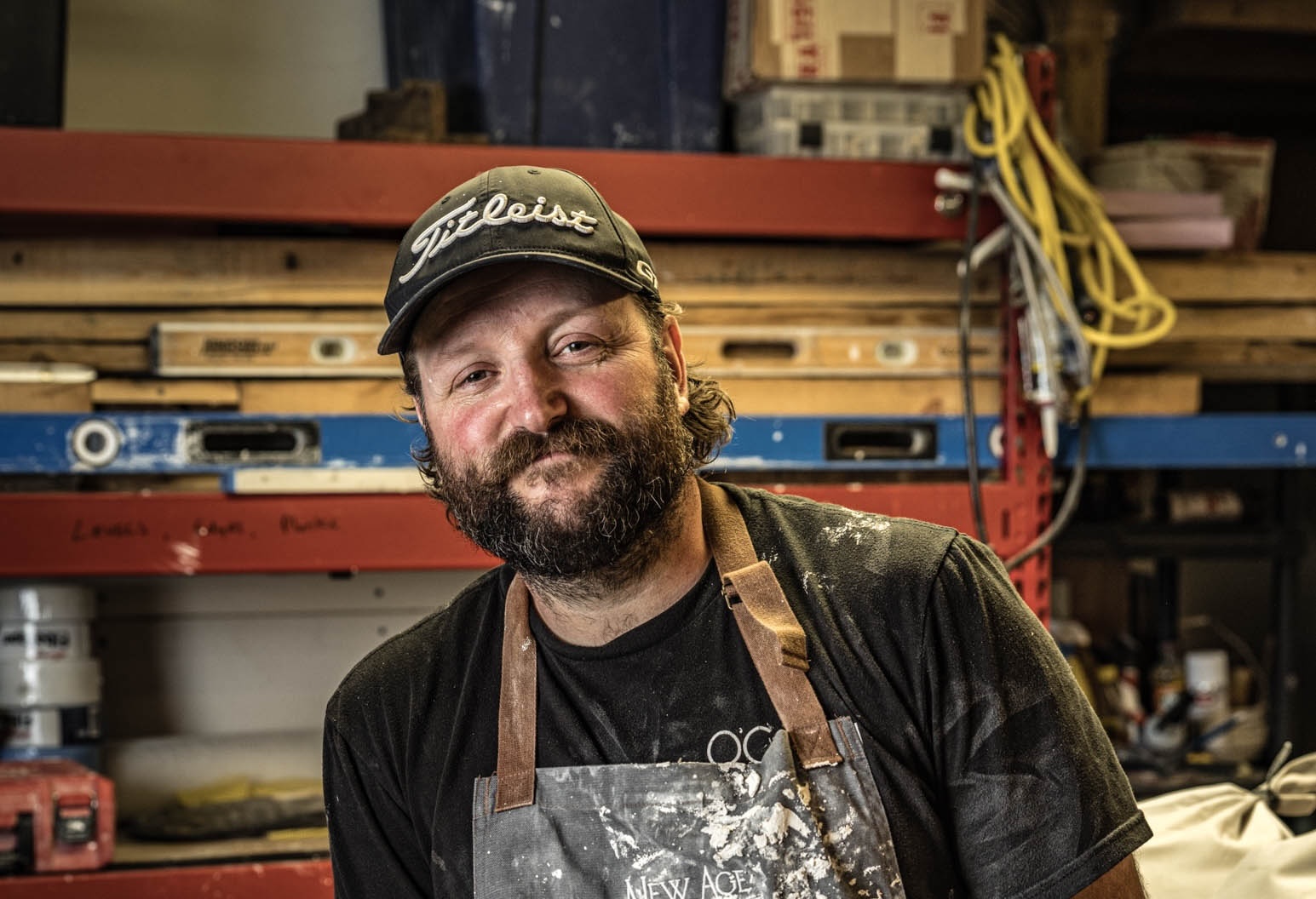
Jesse Arter - Lime Wood Clay

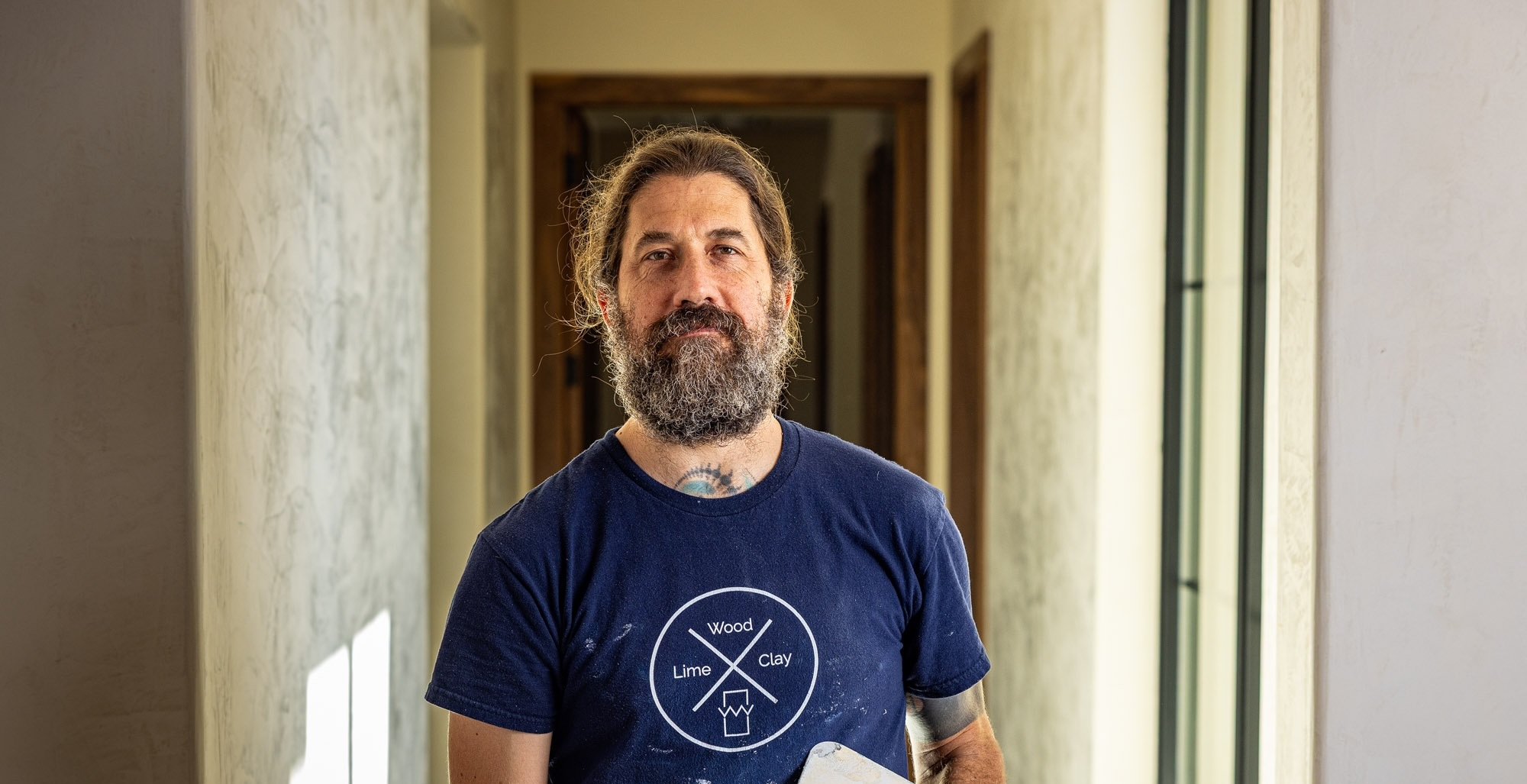
Jesse Arter did not set out to build a career around natural materials. In the early 2000s, he moved to Seattle to play in a heavy metal band, taking his Home Depot job with him. When a scheduling change threatened his second job and his ability to make ends meet, he answered an ad for a position at a small green building supply company.
“I just kind of fell into it,” Jesse said.
At the time, green building wasn't a particular interest of his. Paint, however, was. Jesse had already developed an interest in color matching and decorative finishes, and at the building supply company, he became the resident paint person.
Before long, a supplier importing earth-ground pigments from France approached him about representing their products. Along with the pigments, they sold a limewash produced in California. The opportunity gave Jesse his first crash course in limewash and plaster, enough to demonstrate the materials and teach others how to use them. When American Clay entered the market not long after, the green building supply company he worked for began selling it as well, and Jesse developed one-day workshops to introduce homeowners to clay plaster.
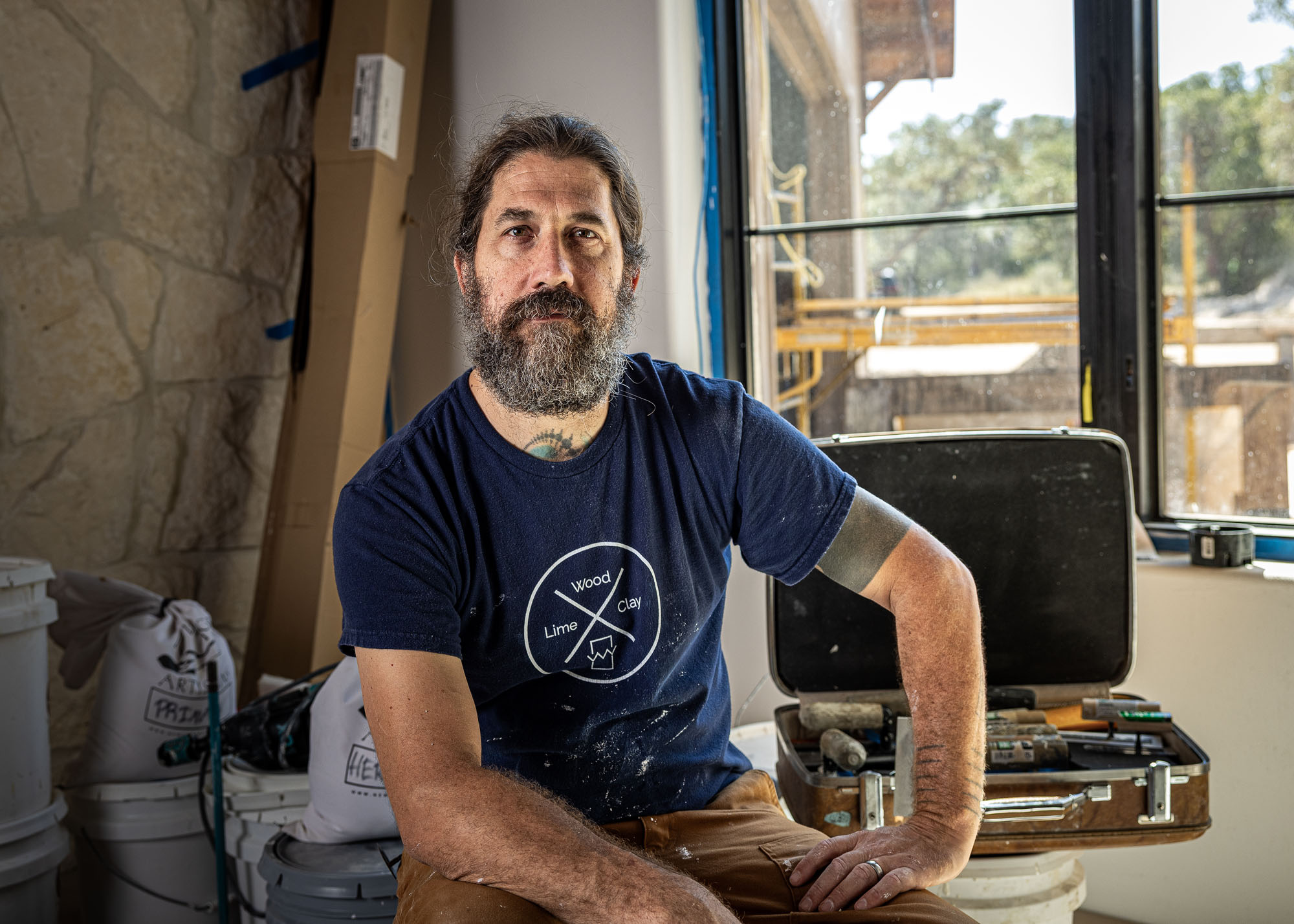
Jesse’s interest in plaster grew out of a broader interest in the materials we surround ourselves with every day. The longer he worked in green building, the more he thought about how the materials used inside a home affect both the people living there and the environment. Natural plasters brought those concerns together with a craft he already enjoyed, offering a way to create beautiful interiors while thinking more carefully about what goes into them.
That perspective still shapes the way Jesse approaches plaster today. While much of the trade focuses on the material’s aesthetic possibilities, he believes another part of the story deserves far more attention: the role natural materials can play in creating healthier, more environmentally responsible interior spaces.
“Once you know what you know, it’s really hard to just walk away from it and not know it,” he said.
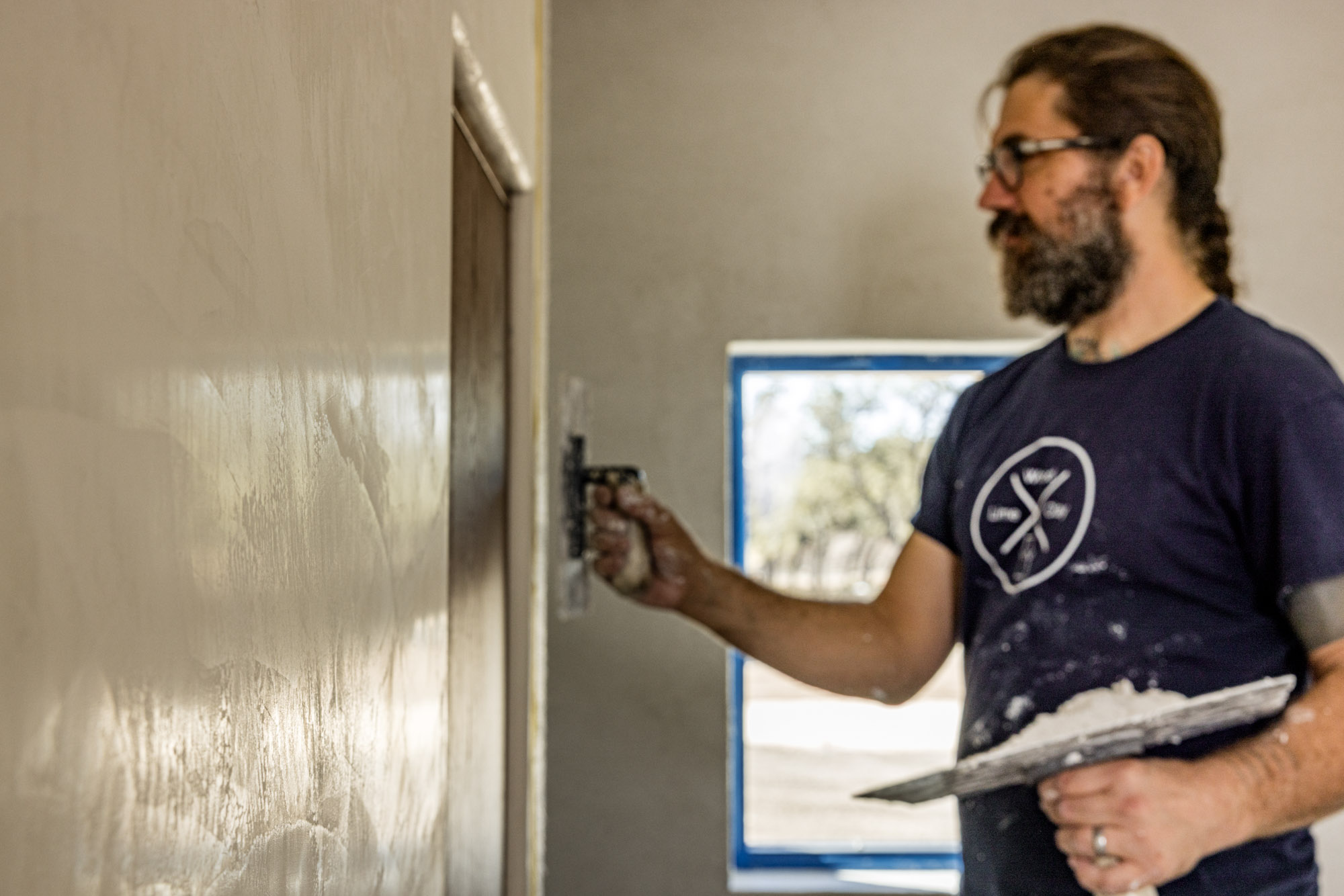
For years, though, Jesse resisted making plaster his primary work. A colleague encouraged him early on, telling him he had the eye for it and should plaster professionally, but working for himself felt intimidating. More importantly, Jesse believed he could make a larger impact elsewhere. Rather than simply applying healthier materials, he wanted to help change how people thought about the materials going into buildings in the first place.
That pursuit took him through several green building companies, eventually from Seattle to Denver, then to Austin. He worked with businesses trying to make healthier, more sustainable building products accessible to homeowners. Along the way, he also taught, experimented with natural building methods, remodeled homes, built furniture, and consulted with people looking for healthier material choices.
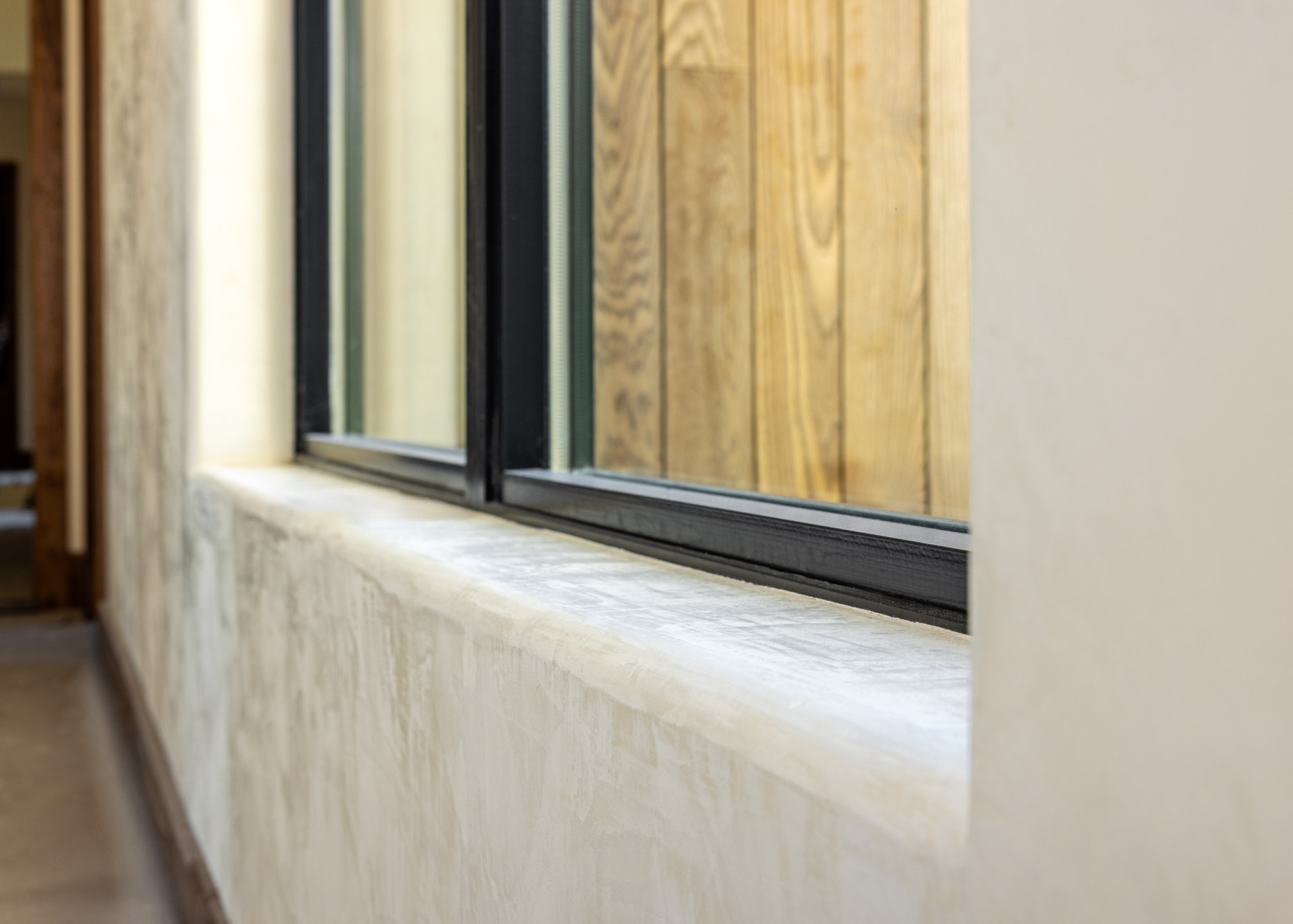
The retail concepts Jesse believed in never quite found the market they needed. After watching several companies close, he reconsidered what his role in the industry should look like. During the pandemic, Jesse and his wife had a child and decided one of them would stay home while the other worked. At the time, Jesse remodeled houses and built furniture, with plaster still appearing occasionally in that broader work.
His wife noticed how often he returned to it. “You talk about it all the time,” Jesse remembers her telling him. “You’re obsessed with it. You have books on it. Why are you not just plastering?”
By then, Jesse had been working around plaster for nearly two decades. He had applied it as part of remodeling projects and taken occasional plaster-specific jobs, but he had never built his identity or business around the trade. In 2021, that changed when he launched Lime Wood Clay, a business centered on three materials he believes represent something increasingly valuable in the built environment: simplicity.
“The idea was, what are the materials that we use today in building that really have no negative consequences on our health or ecology?” Jesse said. “It’s lime, wood, and clay. They’ve been around for thousands of years.”
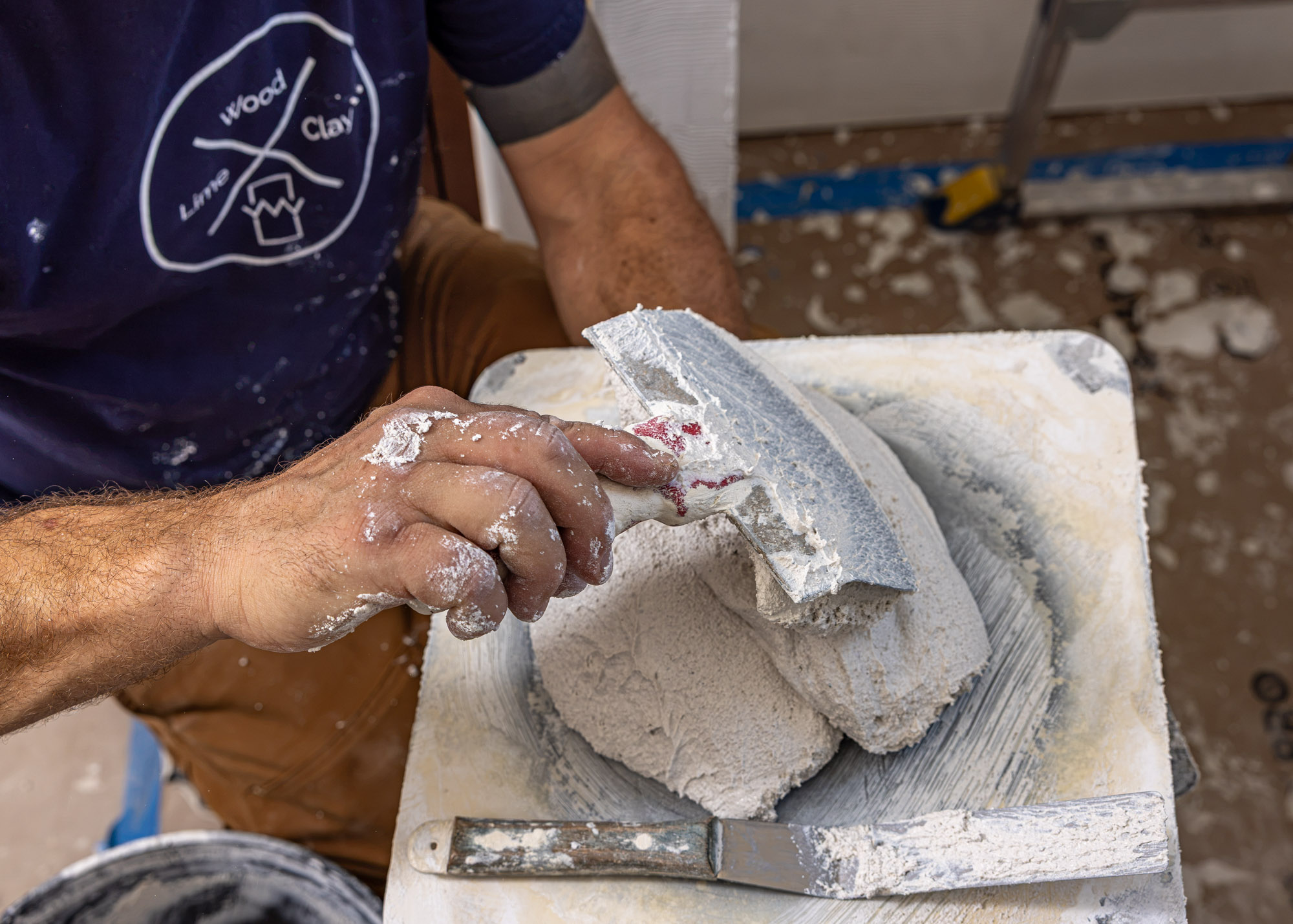
Plaster became the primary focus, while custom furniture, millwork, and occasional health-conscious building consulting remained extensions of the same philosophy. He has consulted with clients motivated by chemical sensitivities, health concerns, parenthood, or simply a desire to create a cleaner home.
A conversation about plaster may start with color and texture, but Jesse often brings up mold resistance, moisture management, or the material’s broader environmental qualities.
“There’s this whole human health ecology story that we’re just missing as plasterers,” he said.
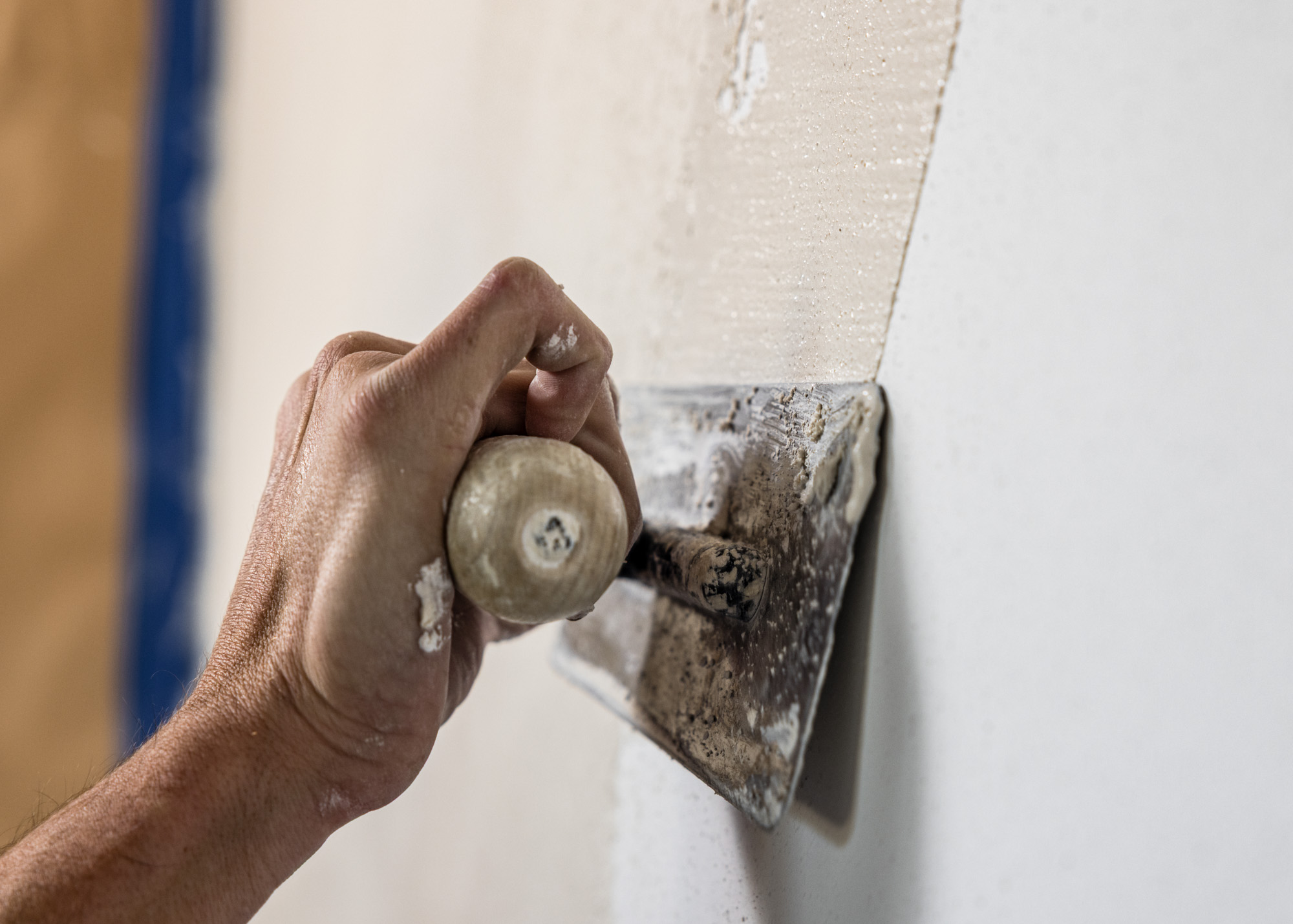
At the same time, plaster satisfies his interest in the materials themselves. Jesse enjoys understanding the chemistry and mechanics behind plaster as much as experimenting with the almost endless possibilities created by technique, aggregate, pigment, and finish.
“You could just dabble with plaster and technique and materials and pigments for a lifetime, and really never become a true master,” he said.
When Jesse committed to plaster, he also committed to treating it as a business. He built a website, advertised, got insurance, and invested in developing the skills he still wanted to learn. For the first few years, his goal was relatively modest. He wanted to earn enough that his wife could stay home with their child, and he moved from one project to the next as they came.
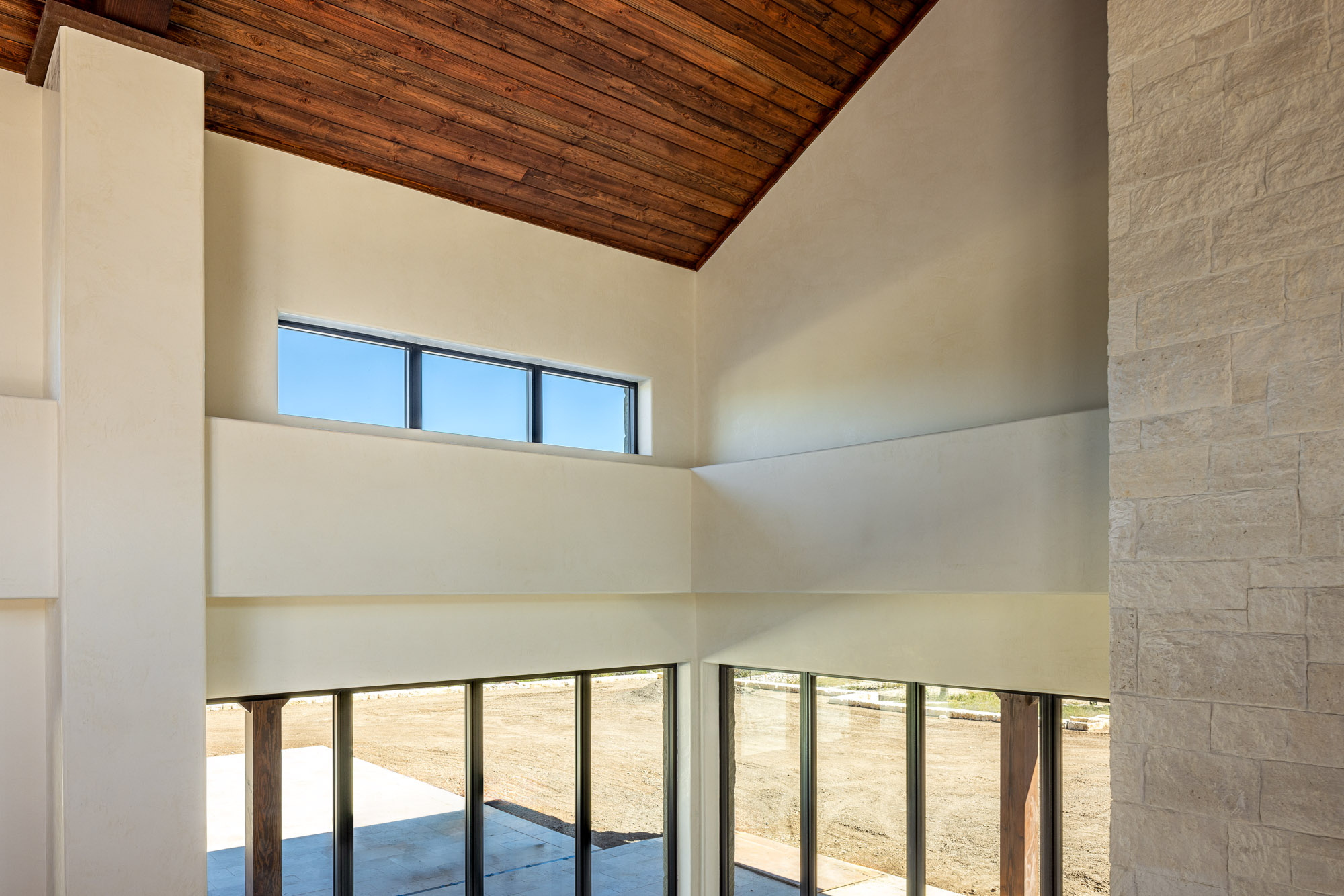
Then a client asked him to bid a ranch project involving 17 Tadelakt bathrooms and roughly 24,000 square feet of plaster across two buildings. Jesse was upfront that he was a one-person operation and the work would take time. As construction delays compressed the remaining schedule, however, the project needed to move faster, and Jesse decided it was time to build a crew.
He has now hired his first two apprentices and is beginning to schedule projects ahead rather than simply moving from one finished job to the next.
“I’m kind of right in the middle of the initial growth of it,” he said.
That growth comes more than 20 years after Jesse first began teaching homeowners how to use natural finishes. Now, he finds himself teaching again, this time training the people who work alongside him. His connection with New Age Artisans grew from the same desire to keep learning and share knowledge.
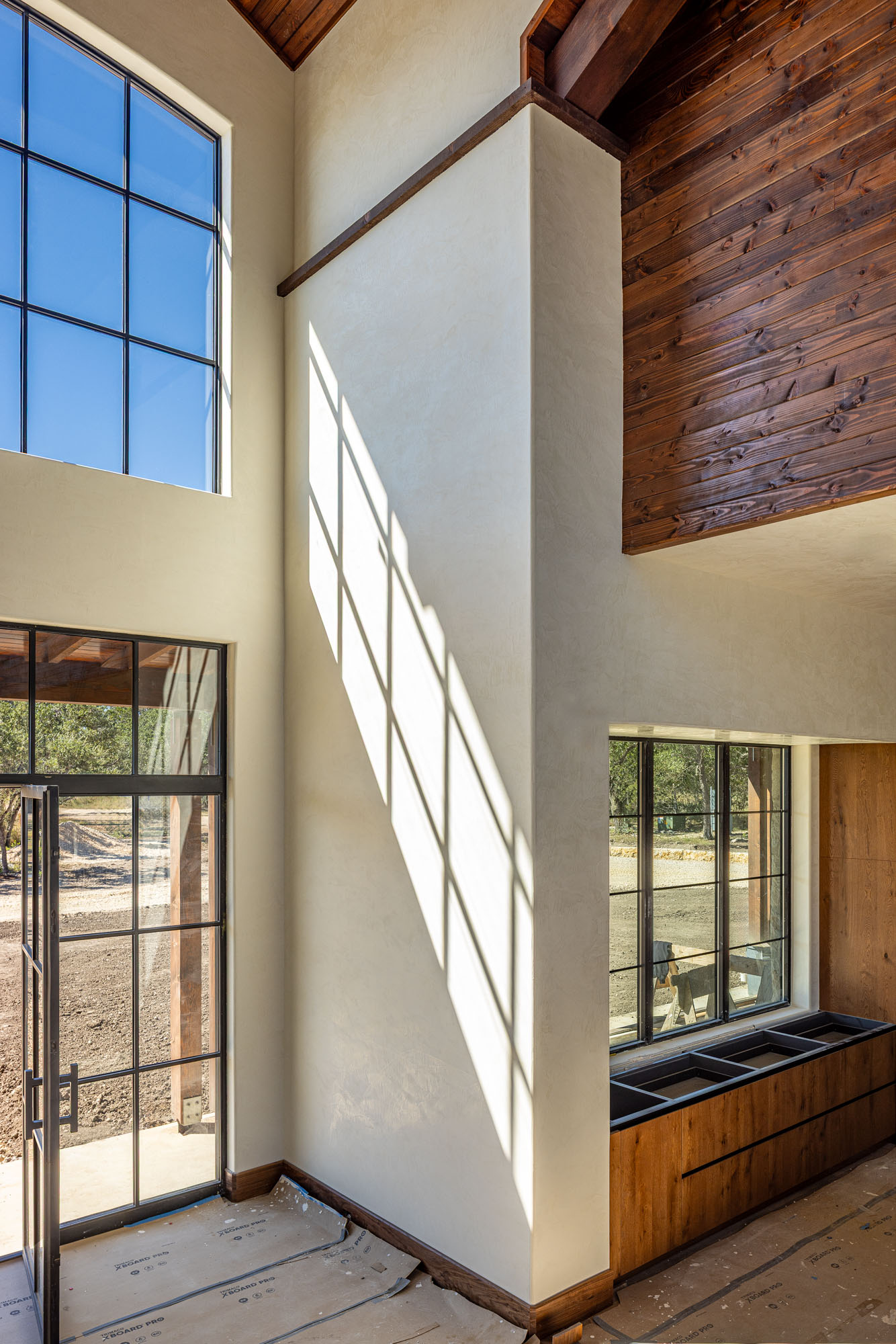
Jesse had been curious about Tadelakt since the early years of his career. He had books, understood much of the science, and had even experimented with the material himself. But when he decided to offer Tadelakt professionally, experimentation was no longer enough. He wanted hands-on instruction from someone with deep experience in traditional technique, which eventually led him to New Age Artisans and The Plaster Portal.
What stood out wasn't a particular plaster formulation, but the approach to sharing knowledge. When Jesse first encountered the plaster trade in the early 2000s, many craftspeople were reluctant to share their methods. They guarded techniques closely, sometimes even when Jesse was responsible for selling the products he was trying to learn.

New Age Artisans felt markedly different. Jeremy and the NAA team put information online, taught people how to use the materials, answered questions, and intentionally built a community around plaster.
“That was just a big mentality shift, and one that was much more welcoming than what I had traditionally been used to,” Jesse said. “That’s what sold me.”
He joined The Plaster Portal and enrolled in an in-person Tadelakt workshop within roughly the same six-week period. He already understood hawk-and-trowel work and much of the chemistry behind the finish. He needed the details that are hard to learn from a book: when to move to the next step, what the material should feel like, and the finesse that comes from hands-on practice.
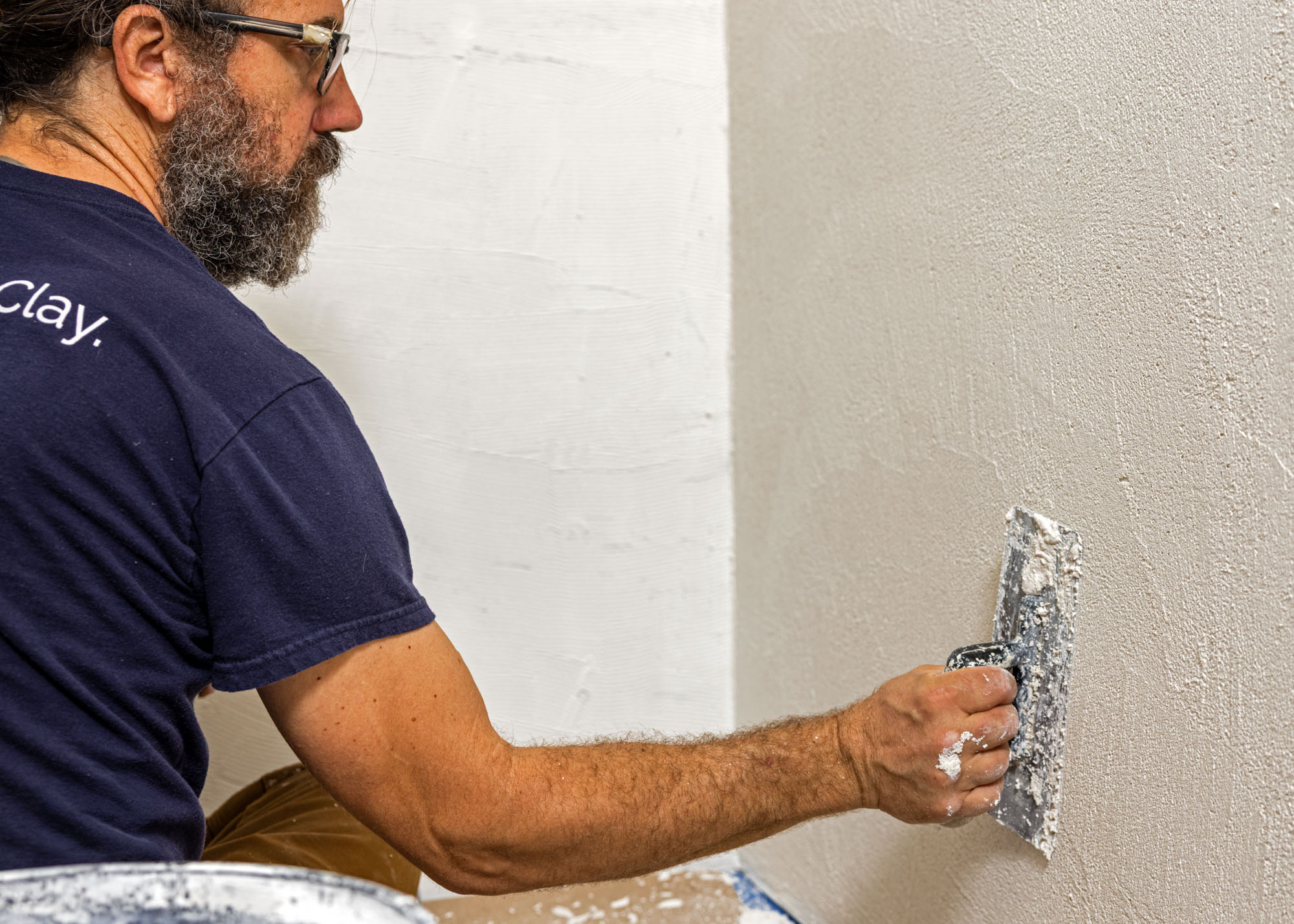
Today, Jesse regularly uses New Age Artisans products. Tadelakt is a favorite, and much of his client work has also involved Refined. His own preference leans toward the medium aggregate of a Marmorino-style finish like Classic because of the range it offers.
He calls it the “pickup truck of plasters.” The finish can be polished or left more open and matte, giving an applicator room to create very different results from the same material. Jesse also values NAA’s dry-shipped formulations, color-matching service, and the ability to reach someone directly when questions arise.
For him, that accessibility connects back to something larger than a particular product. Jesse hopes the current interest in plaster becomes more than another design cycle and helps establish a stronger plaster trade in the United States, built around education, training, and shared knowledge.

He also believes the trade has an opportunity to tell a broader story. Aesthetics may initially draw people to plaster, but its health and environmental qualities could help move the material beyond a niche finish and into everyday homes.
It brings Jesse back to an interest he stumbled into more than two decades ago. As he put it, he went from “playing in a metal band, smoking cigarettes, and drinking in Seattle” to becoming an “uber crunchy granola building hippie somehow.”
What began accidentally has become a throughline in his career: thinking more carefully about the materials we bring into our homes and finding better ways to build with them. The materials remain simple—lime, wood, and clay—but for Jesse, the possibilities within them keep growing.
Learn more about Jesse & Lime Wood Clay:
Visit Lime Wood Clay online, connect with him on Instagram.