Emmett O'Carroll - O'Carroll Traditional Plaster & Mouldings
.png)
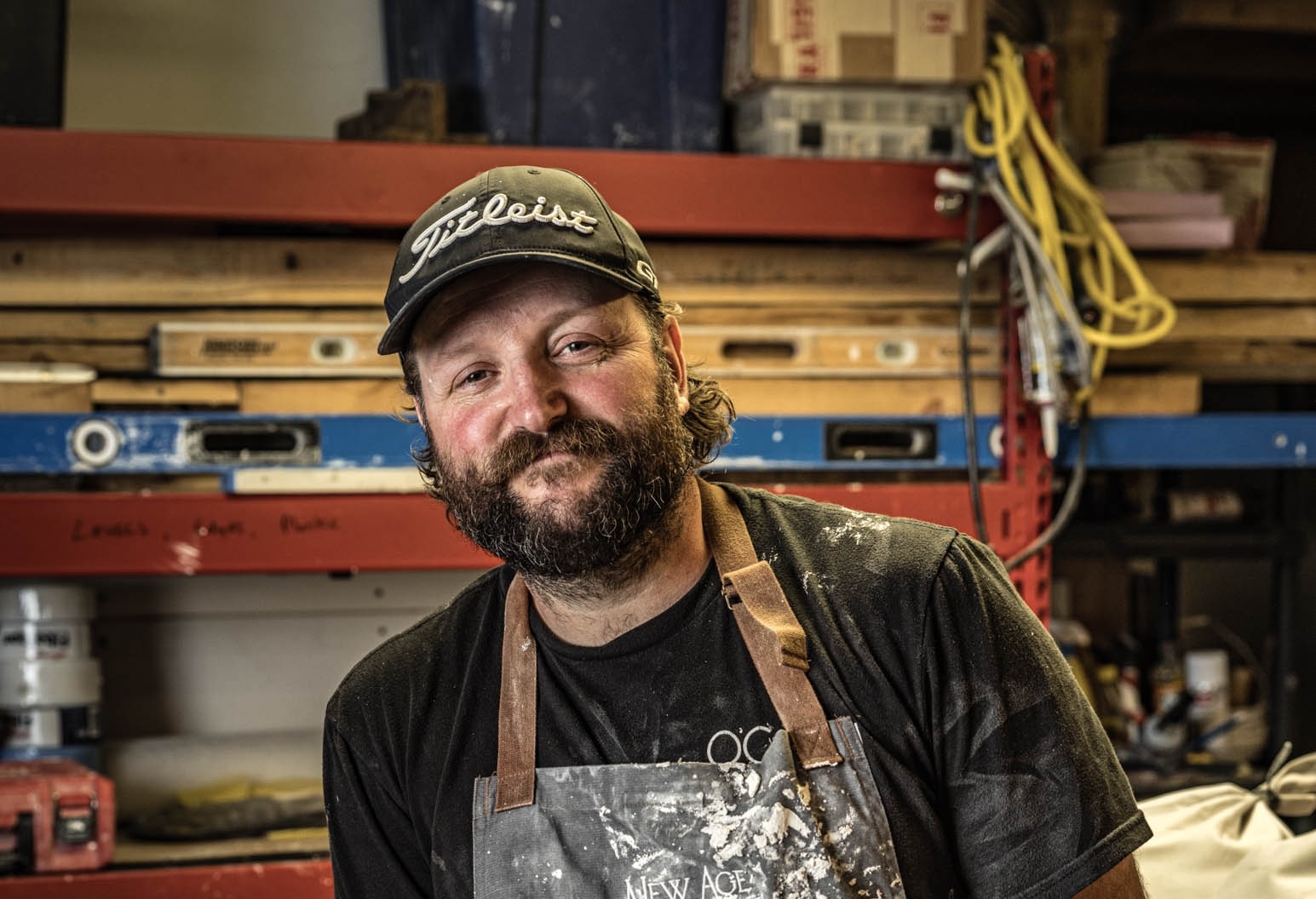
For Emmett O’Carroll, plaster was familiar long before it became a career.
Growing up in Ireland, the trade was part of family life. His father was a plasterer. So were his uncle, cousins, and brother. As a child, Emmett spent time on building sites with his dad, often on weekends or during the summer. By the time he formally entered the trade, plastering was not new to him.
Even so, it wasn’t the career he chose purely out of passion—at first. At 18, after finishing secondary school, Emmett knew he did not want to continue in a traditional academic environment. He learned best by doing, and wanted hands-on work instead of being stuck behind a desk. Plastering was a familiar place to start, and in Ireland, there was a pathway for him to make it his career.
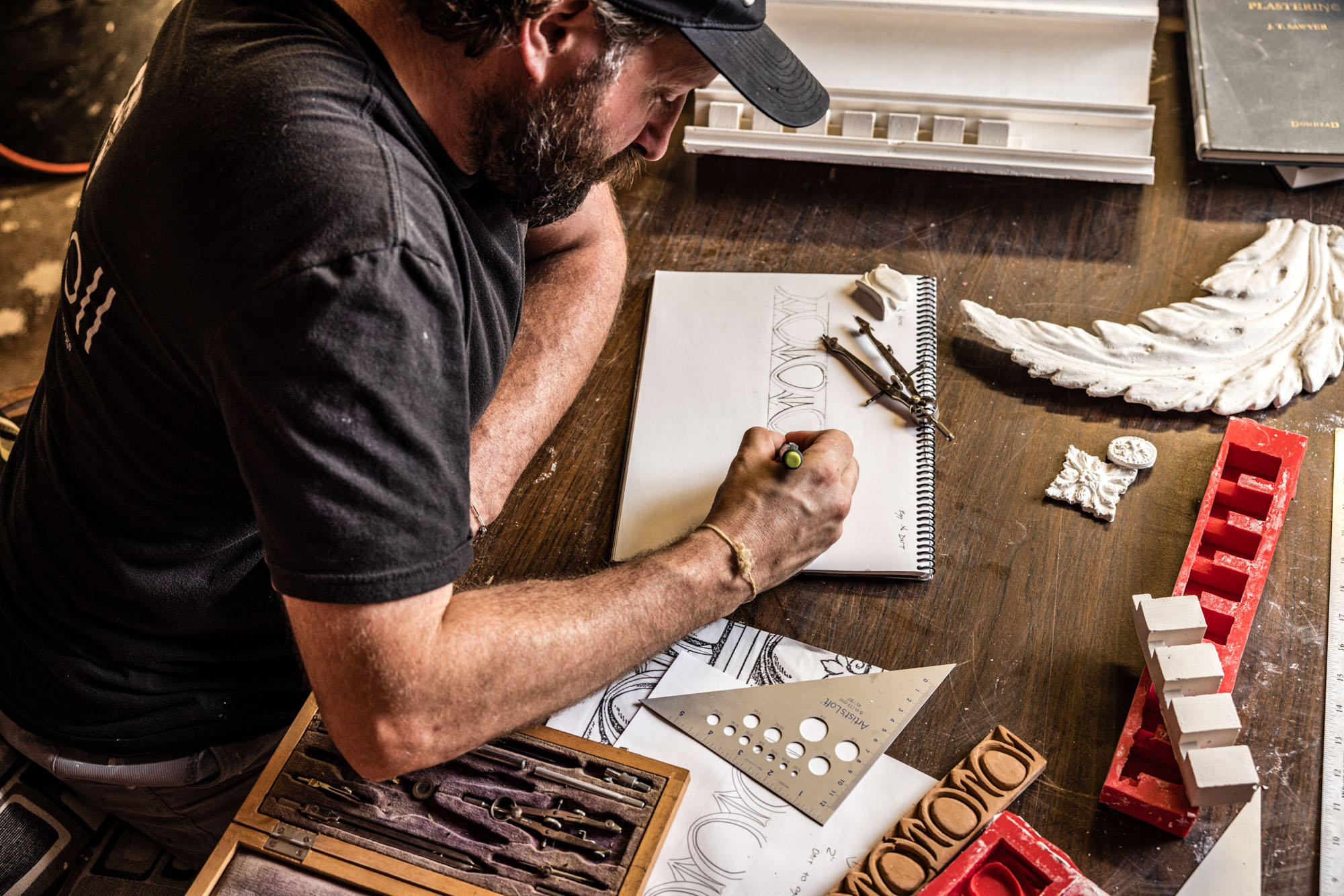
In 2004, Emmett entered Ireland’s formal apprenticeship system; a structured trade program that combined on-site work with college-based training. The program lasted four years. For nine months of each year, apprentices worked on site under a master tradesperson. For the remaining three months, they went to college for testing and instruction, with each year building toward qualification.
The formal system mattered because it gave the trade a clear path forward while exposing apprentices to more than one narrow corner of the work. He was fortunate to apprentice with people who allowed him to work across many parts of the trade.
“I love the trade because it’s so different,” he said. “I could pigeonhole myself and do one element of it, and it would just bore me.”
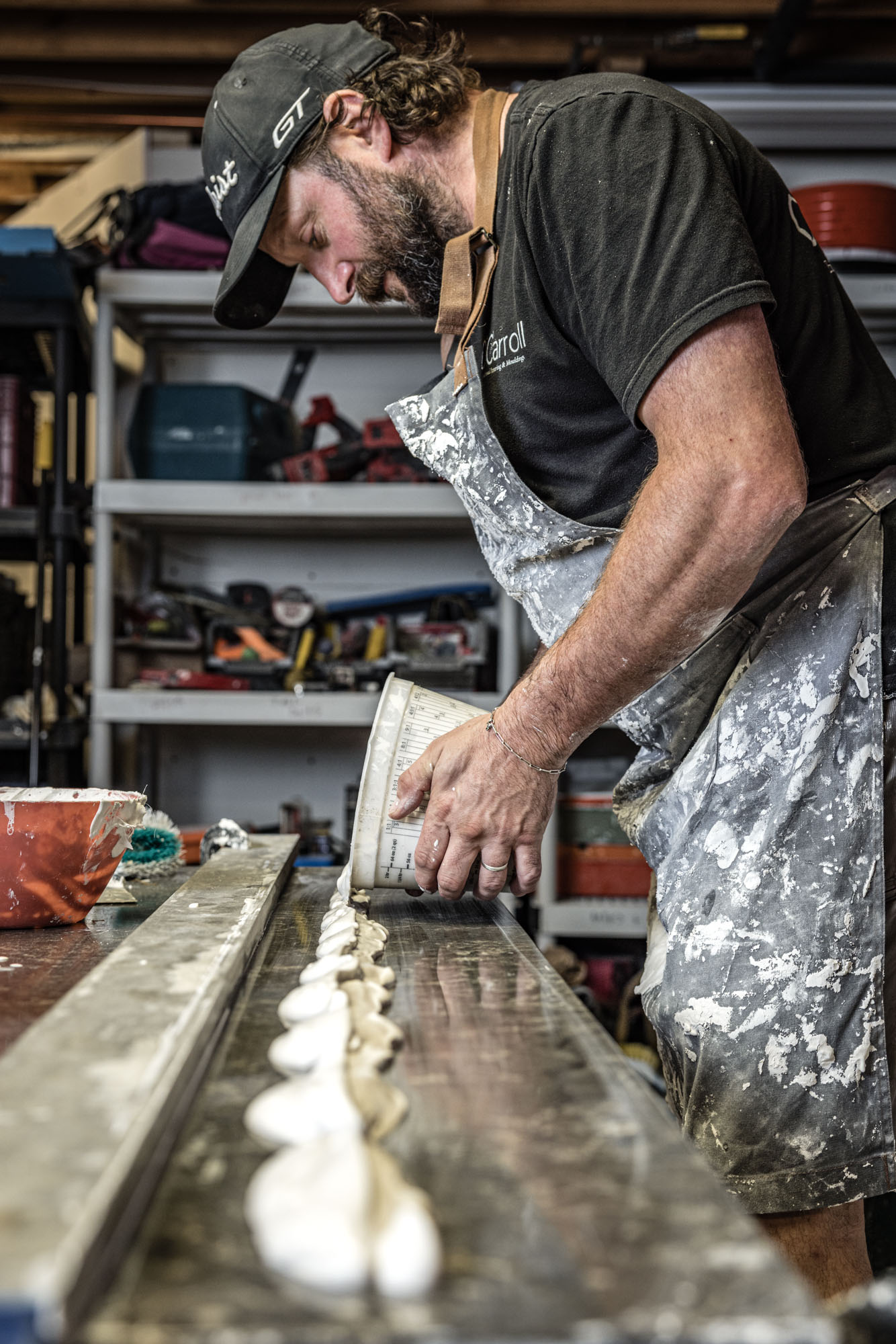
That variety shaped the way he still works today. He is comfortable moving between gypsum plaster, stucco, ornamental work, restoration, and modern lime-based finishes.
Still, his love for the trade developed gradually. It was only after several more years of work, as he matured and gained experience, that he began to feel a deeper connection to his career.
“Every day I go to work, I create something,” he said. “I can’t physically do my job and get paid without actually making a change, and I love that.”
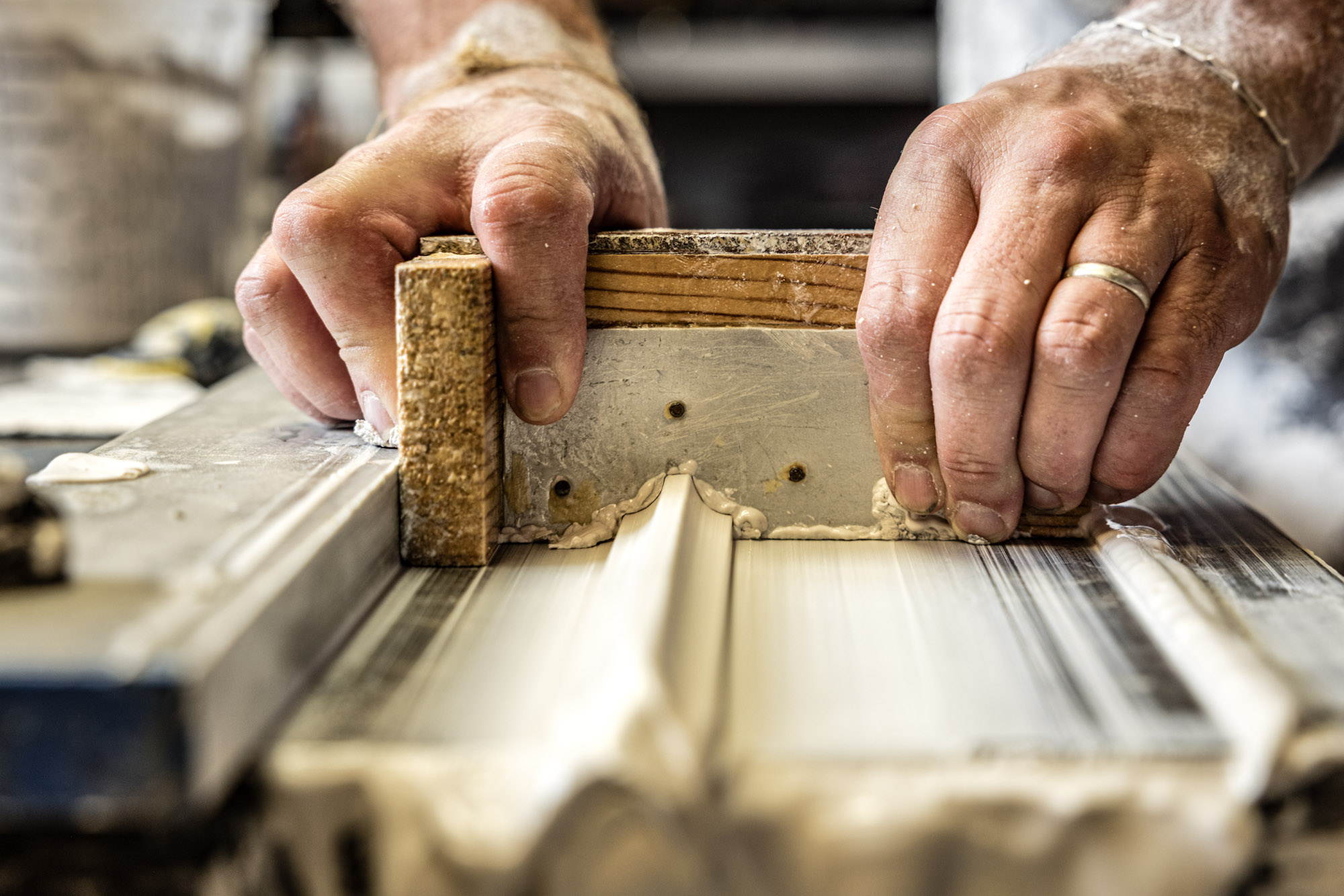
Emmett continued working in Ireland through the years surrounding the 2008 recession, but by 2011, he and his wife decided to leave. They moved to Melbourne, Australia, where he initially thought he might try something different. Within a month, he was back in plaster, eventually helping a company shift from modern exterior render systems toward more traditional and restoration-based plasterwork.
After five years in Australia, Emmett and his wife moved to New England to be closer to family. Today, he is based in Kittery, Maine, near the New Hampshire border.
When he arrived in New England, he made a promise to himself: he was done working for other people. He knew he was ready to build a business of his own.
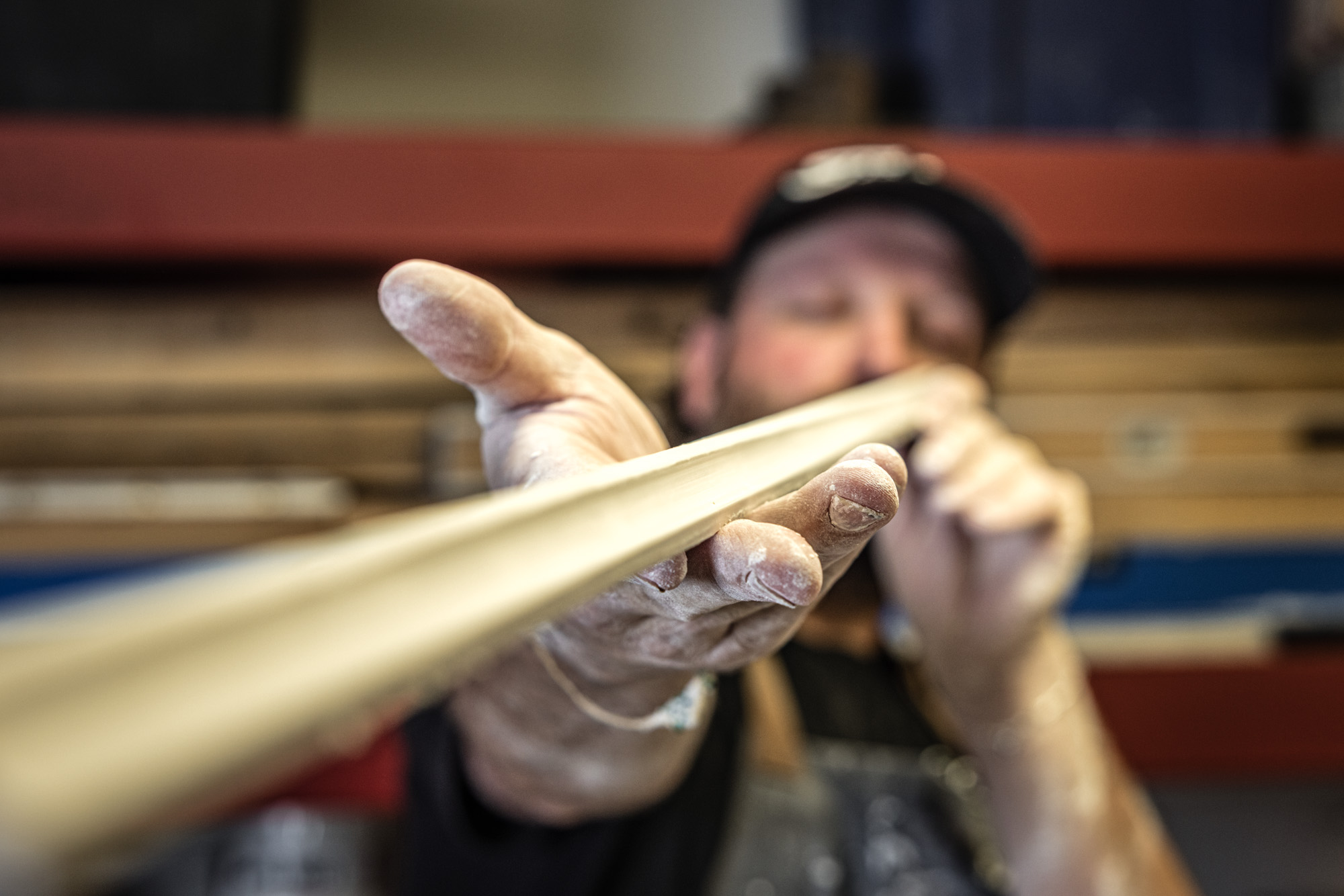
The plaster landscape he found was very different from the one he had known in Ireland. In much of the United States, drywall dominates. Gypsum plaster still exists in pockets, especially around Boston and New York, but Emmett found himself on the northern edge of one of those regions. In his area, few people were doing the kind of plasterwork he knew.
He started taking jobs wherever he could. From there, the work slowly built. A connection in historic preservation work helped open doors in that world. As word spread, Emmett began receiving calls from across New England, including projects tied to historic buildings, private homes, museums, and restoration groups.
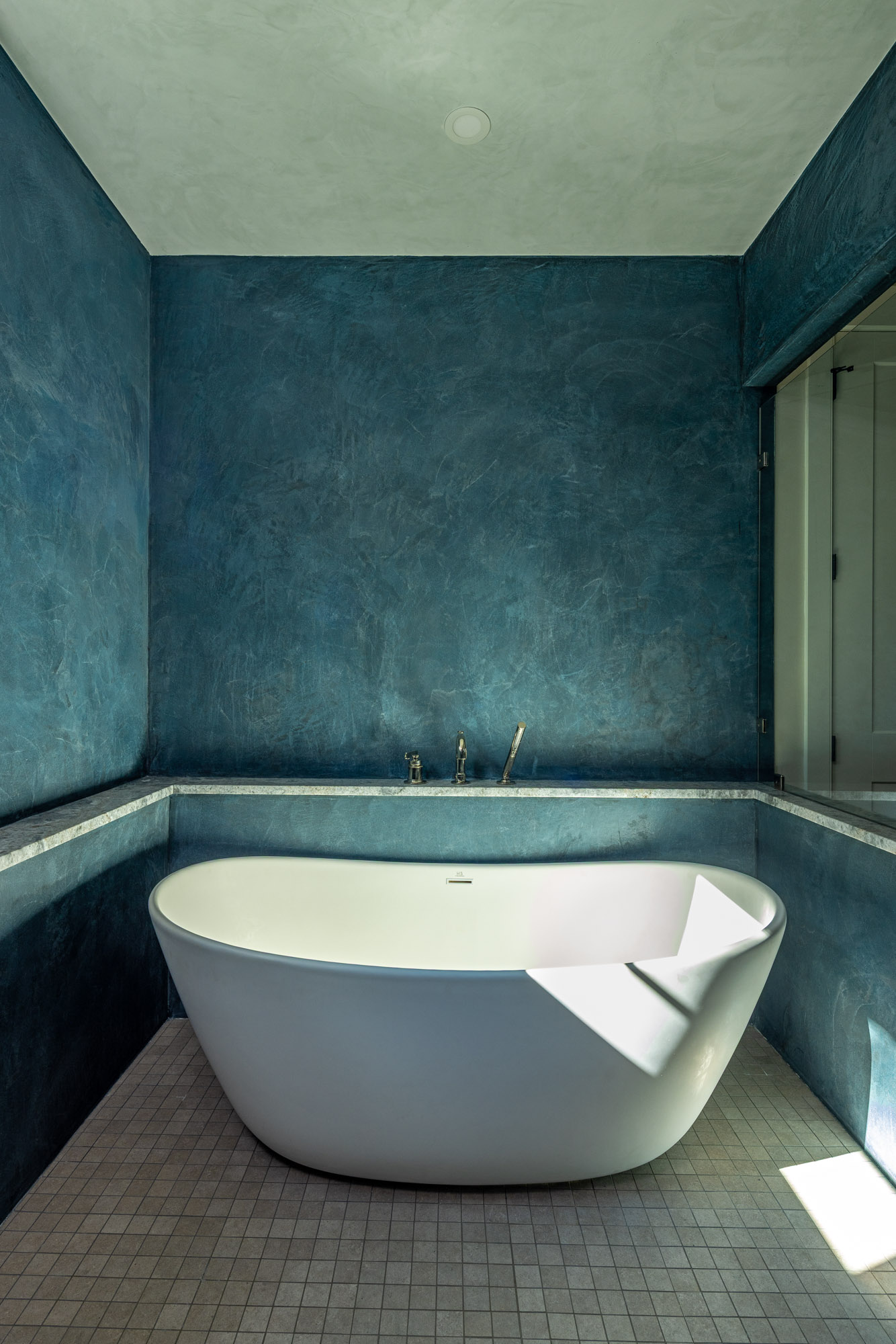
Today, his work is a mix of historic preservation, traditional plaster repair, and modern plaster finishes. He still advertises most heavily toward preservation, but the demand for plaster has expanded in many directions. Some clients want to restore the character of old homes. Others are building new homes and looking for lime plaster fireplaces, range hoods, or fully plastered rooms.
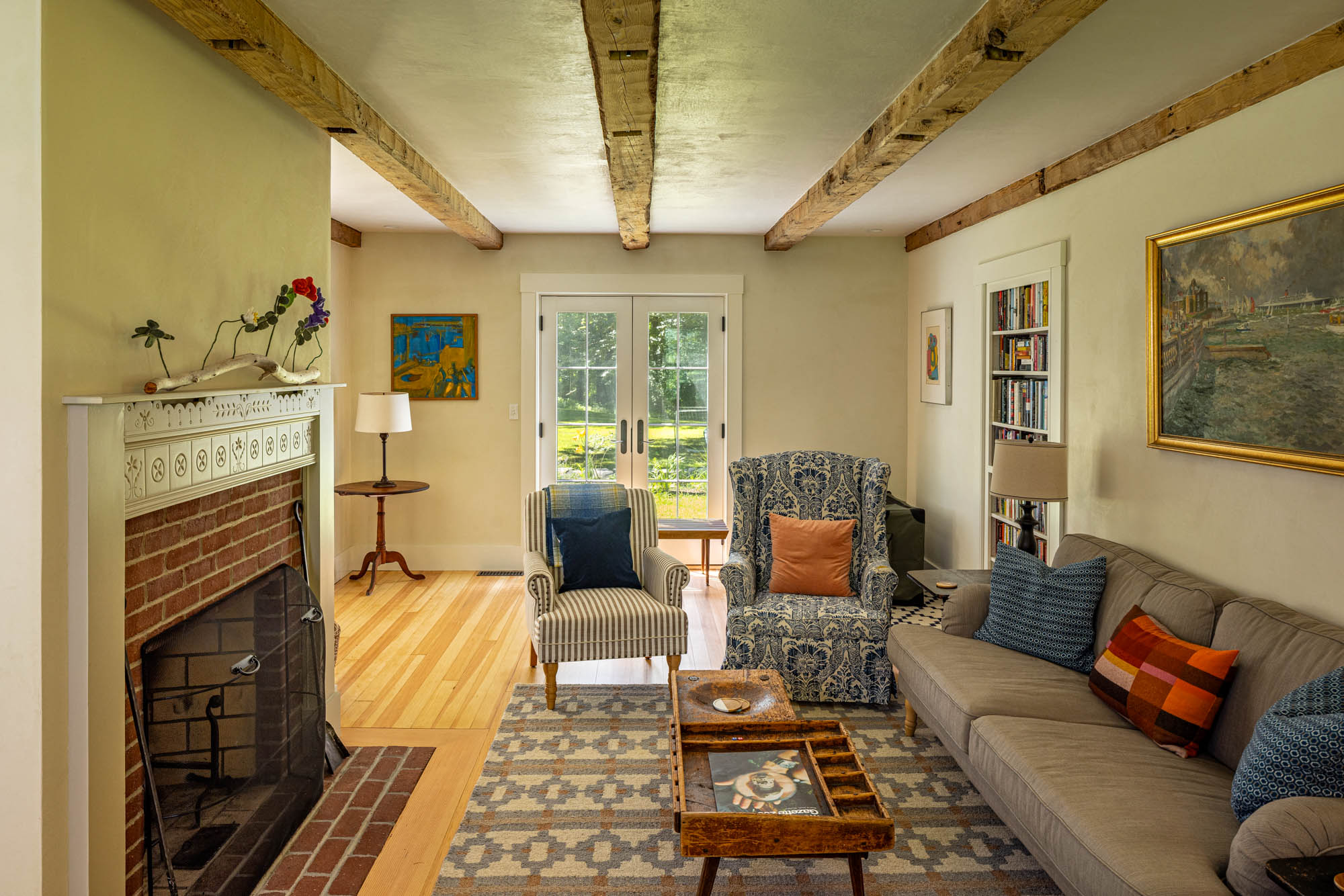
For Emmett, one of the biggest differences between Ireland and New England is not the material itself, but the education surrounding it. In Ireland, plaster is culturally familiar. In New England, many people know historic plaster mostly as something they have seen cracked, damaged, or demolished.
That lack of understanding has made education a major part of Emmett’s work. He often finds himself explaining what plaster is, how it performs, and why older systems should not automatically be torn out and replaced. At the same time, he sees awareness changing as designers, architects, tradespeople, and clients discover plaster for its beauty, durability, repairability, and connection to traditional wall systems.

As Emmett started exploring the online plaster community, he found others who were working with different lime-based finishes and sharing their work online. This included plasterers such as Trowel Inc.'s Colby Blauvelt and The Art of Plaster’s Gabe Franklin. He also began learning more about companies that make veneer lime systems, including New Age Artisans.
At first, he had questions. He wanted to understand how newer lime-based materials worked, what they contained, and how he could discuss them honestly with clients. What stood out about New Age Artisans was the accessibility of the information and the willingness to answer questions directly.
“The fact that I was getting straight up honest answers about the makeup of the plaster and what’s in it, that was it,” he said. “That’s all I needed.”
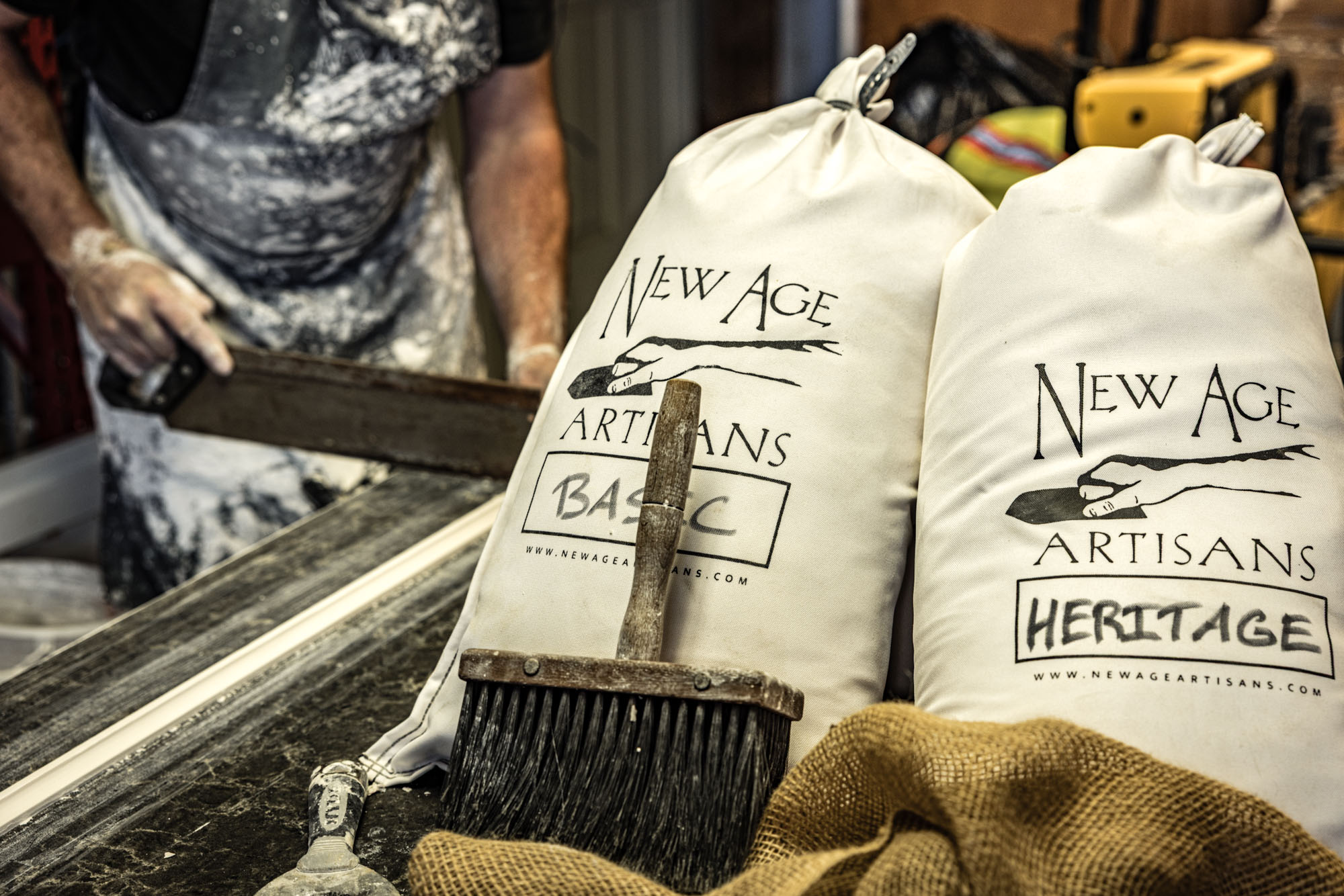
Over time, New Age Artisans became a resource he kept returning to. The products were accessible, the website was easy to use, and the range of blends allowed him to work across different kinds of projects. He describes himself as someone who likes a one-stop shop, and he appreciates being able to order materials, ask questions, and adapt products to the needs of a job.
Heritage has become a favorite, though he also uses Basic, Classic, Refined, and Tadelakt depending on the work. He values the finishes, but also the ability to adjust, experiment, and choose the right material for the situation.
“I haven’t had an unhappy client,” he said. “So it’s great.”
The Plaster Portal became another important part of that relationship, especially through Emmett’s teaching. Twice a year, he teaches two-day workshops on traditional lime plaster for homeowners who are trying to restore their old houses. In those classes, he uses New Age Artisans blends and points students toward the Plaster Portal because it gives them ongoing access to education, workbooks, classes, and a manufacturer willing to answer questions after his workshop ends.
“My classes are teaching homeowners how to restore their old historic houses,” he said. “Nobody offers what the Portal offers.” For homeowners trying to restore their own spaces, he sees the annual cost as an easy investment. At $75 a year, he tells students, it is “the best 75 to spend all year if you want to restore your home.”
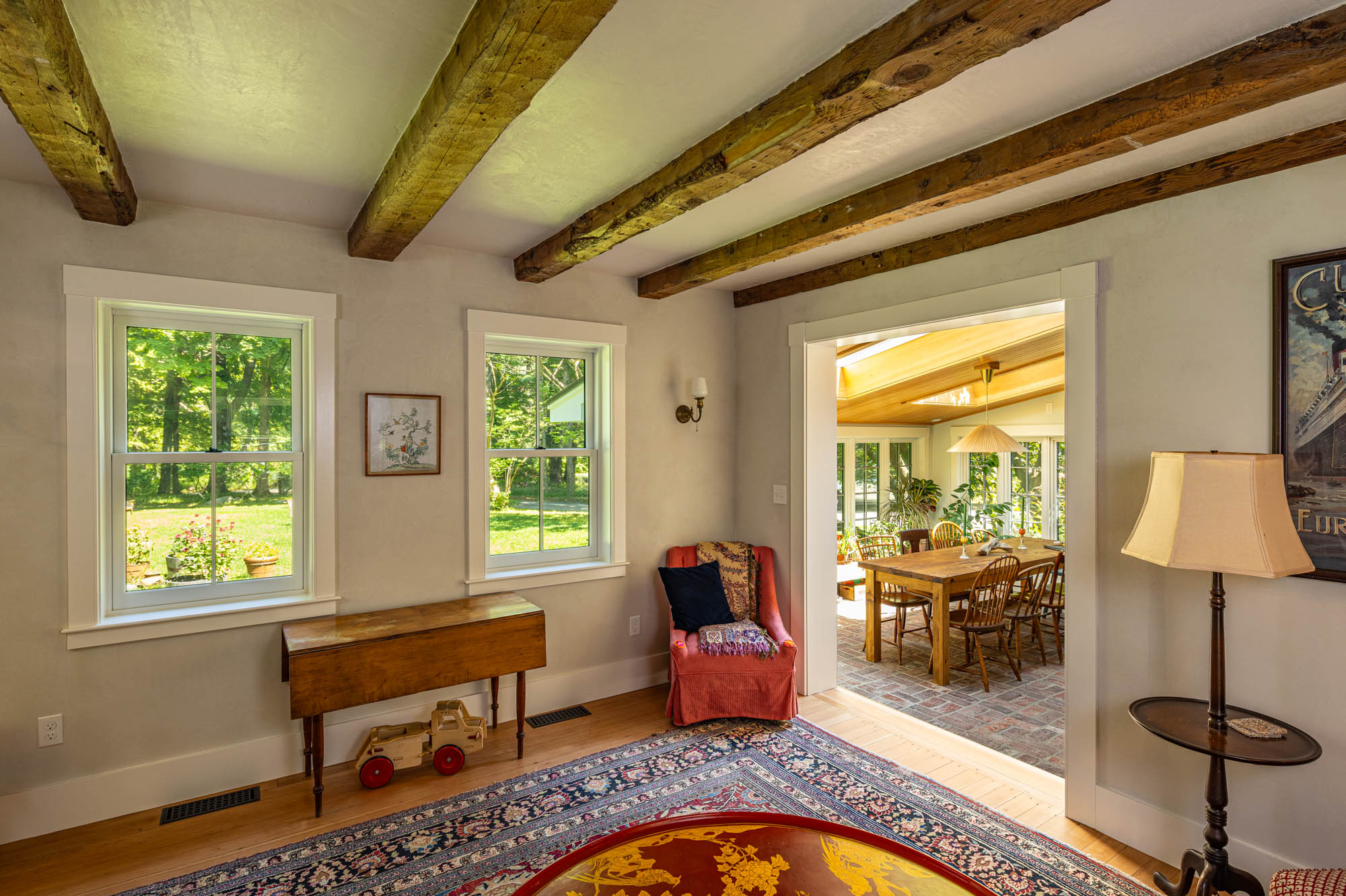
That support is important because many historic homes in New England have already been altered. For homeowners trying to preserve character without demolishing everything back to the lath, Emmett sees New Age Artisans products as a practical bridge. The materials allow homeowners to keep more of what is already there, avoid unnecessary demolition, and bring plaster finishes back into spaces in a practical way.
“It’s the perfect marrying of the old and new,” he said.
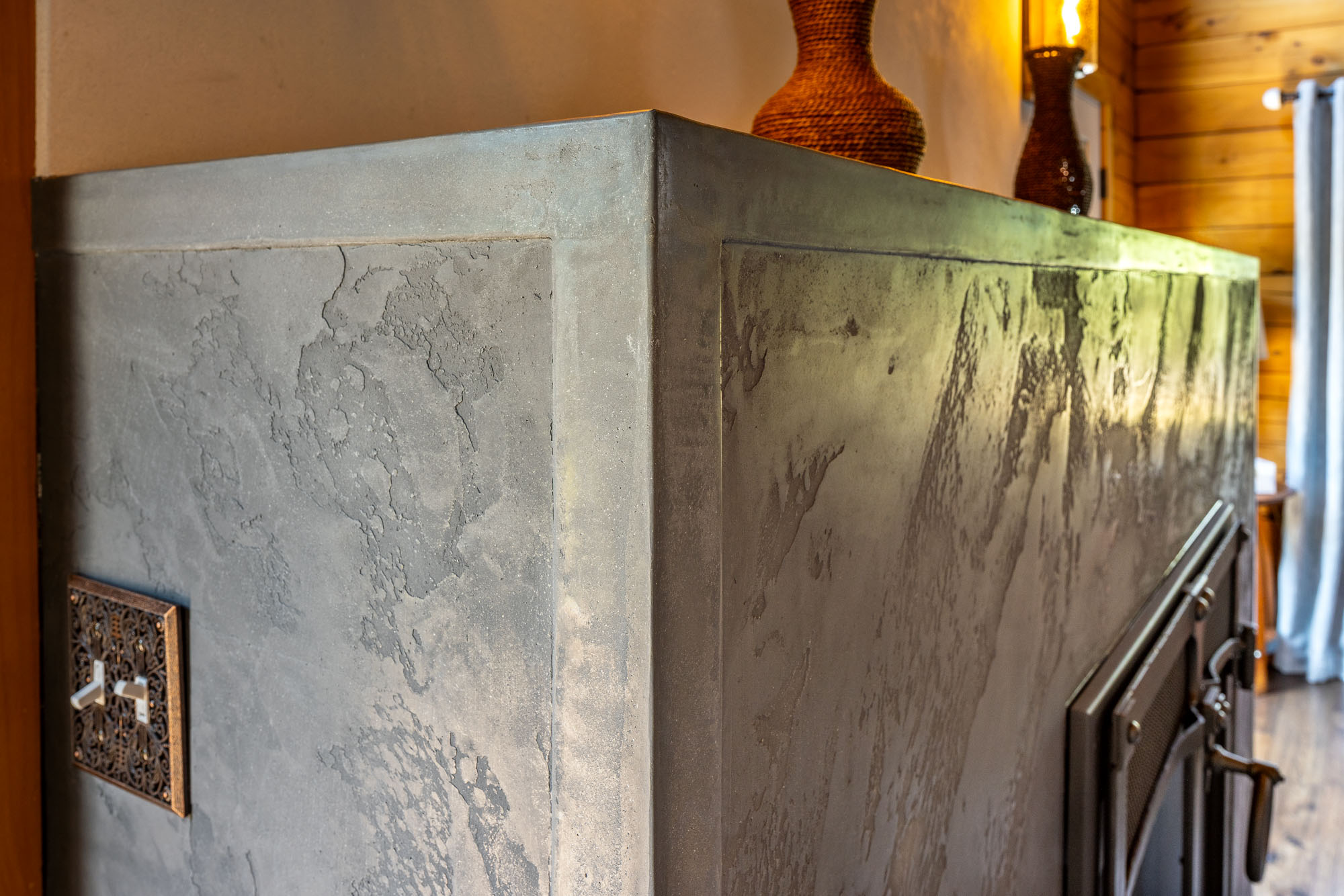
The same mindset shows up in his restoration work. On a recent preservation project in Portsmouth, Emmett removed old plaster from a historic cupola, crushed the material, and reused it as aggregate in the new plaster. The original lime had recarbonated back into limestone over time, allowing the old material to become part of the new work.
For Emmett, that kind of project brings together practicality with respect for the material record of a building. In that sense, the description of him as part historian, artist, teacher, and full-time tradesman feels accurate. His work requires technical skill, but it also requires a willingness to keep learning from old buildings and new materials alike.
For Emmett, preserving plaster means keeping the knowledge behind the tradition in practice while continuing to evolve with today's demands. His work lives in that balance, carrying plaster forward as a trade rooted in history but also alive in the homes and hands that continue to shape it.
To follow along with Emmett on his journey, follow him on Instagram.